Wollongong City Library is taking a significant step towards preserving the often-overlooked narratives of the city's LGBTQIA+ community. Later this month, the library will host a dedicated Scanning Day, inviting historians, activists, and community members to contribute personal items for digitisation. This initiative aims to fill critical gaps in the local historical record by capturing stories that have historically been marginalised.
Addressing Historical Oversights
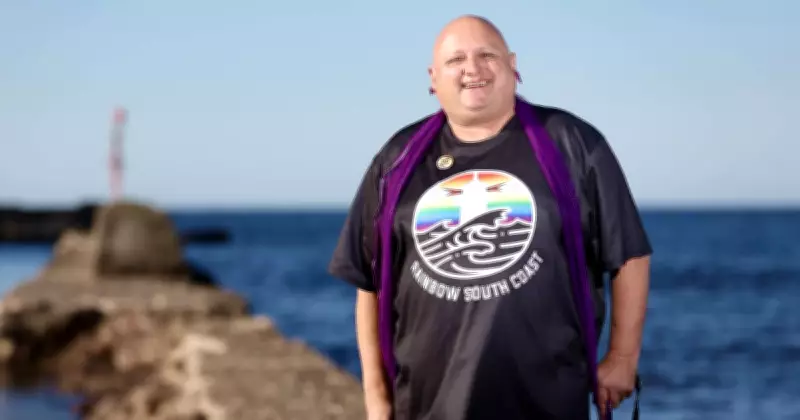
Paul Middleton, chair of Rainbow South Coast, has warmly welcomed the library's efforts, describing the project as "a great idea". He highlighted how segments of Wollongong's queer history, particularly from the early days of the AIDS epidemic, remain largely undocumented and unknown to many, including himself. "We were at the AIDS Day Memorial last year in November and the history just around the LGBTQIA+ community dating back to when AIDS was first discovered, it was new stuff to me that I'd never heard of before," Mr Middleton explained.
He attributed this historical silence to the stigma and fear that once surrounded LGBTQIA+ identities. "I think transphobia was a large part of that, but I know growing up in the '80s myself and '90s, the opposition from a lot of the community because of the myths around AIDS, the bad publicity that was around AIDS back in those days, very much made people felt unsafe to speak up," he said. For safety, many stories were kept within closed community circles rather than shared publicly.

Empowering Future Generations
Mr Middleton emphasised that documenting this history is crucial not only for acknowledging past struggles but also for empowering younger LGBTQIA+ individuals. "I think certainly the younger ones perhaps don't necessarily see how far things have come," he noted. "Being able to see that full history is just empowering, to see that things can change and that there can be positive acceptance and support around people." Access to these archives can provide vital context, showing the progress made in societal acceptance and the ongoing journey towards inclusion.
He also praised Wollongong Library for its proactive support of the LGBTQIA+ community, hosting events for both under-18s and over-18s. "They are one of the most supportive library groups in the Illawarra, Wollongong library particularly," Mr Middleton stated. "They've got a very big focus on making sure that the LGBTQIA+ community is recognised, included and involved as much as possible."
Library's Commitment to Inclusivity
Jessica Bruce, manager of Wollongong City Libraries, reinforced the library's commitment to capturing diverse regional stories. "We really want to shine a light on the lives, events and stories that haven't always made it into our local history collections," Ms Bruce said. "These moments matter, and we're excited to help preserve them for future generations."
She added that the project is designed to foster community engagement and build a more inclusive historical archive. "We're hoping this project gives people a chance to share what's important to them and helps us build a more inclusive local collection."
Event Details and Participation
The Scanning Day is scheduled for February 21, from 11am to 2pm, at Wollongong Library. Community members are encouraged to bring a variety of items for digitisation, including:
- Photographs and posters
- Postcards and badges
- Flags and ticket stubs
- Other memorabilia related to LGBTQIA+ history in the region
On the day, Local Studies librarians will be on hand to assess, scan, photograph, and record each contributed item. This process ensures that personal treasures are carefully handled and integrated into the library's digital archives, where they will be preserved for research, education, and public access.
This initiative represents a meaningful effort to acknowledge and celebrate the rich, yet often hidden, contributions of Wollongong's LGBTQIA+ community. By digitising these personal histories, the library is not only safeguarding the past but also promoting a more comprehensive and truthful narrative of the city's social fabric.