While couples across Australia prepare for candlelit dinners, red roses, and heartfelt declarations this Valentine's Day, few may realise the romantic holiday was once on the brink of disappearing altogether in this country. February 14 is now synonymous with grand gestures and loved-up plans, but a century ago, the mood surrounding Valentine's Day was markedly different and far less celebratory.
New Research Uncovers a Fading Tradition
New research from Ancestry—the global genealogy platform that helps users trace their family history and uncover long-lost relatives—has revealed that by the mid-1920s, Valentine's Day in Australia was fading fast and facing near extinction. After analysing extensive historical newspaper archives, researchers found the 1920s ushered in what was described at the time as the "age of realism." This profound cultural shift prioritised stories grounded in everyday life, trade, and industry, reflecting a society increasingly focused on progress and productivity rather than poetry and passion.
The Decline of Romance in Print
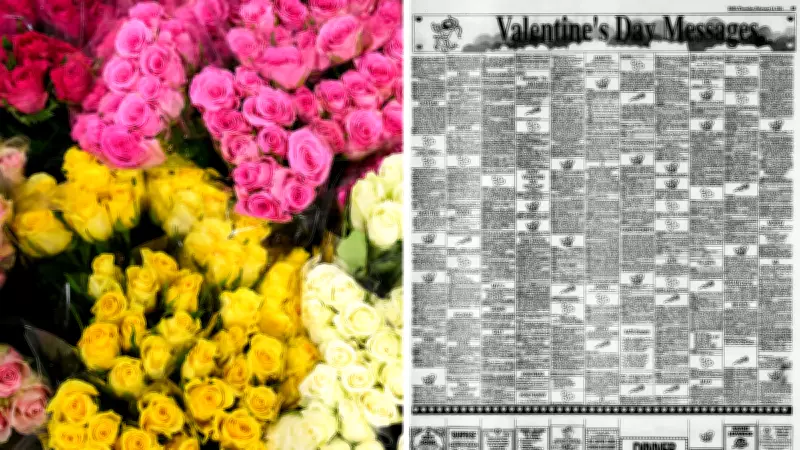
According to the archive analysis, coverage of Valentine's Day dwindled dramatically during this period, with romantic tributes and love poems largely replaced by classified advertisements and commercial notices. In some publications, February 14 passed with barely a mention or acknowledgment, as the holiday's traditional expressions were overshadowed by more practical concerns.

"Stories of real-life love and romance gave way to tales of trade and industry," Ancestry's family history expert Jason Reeve explained. "Bleeding out of the business pages to take over publications across the country as love poems were substituted out for advertisements." This transition marked a significant change in how Australians experienced and expressed romance, with the holiday's sentimental aspects being marginalised by economic priorities.
Capitalism's Impact on Romantic Expression
Reeve further noted that "1926 marked the moment that capitalism would forever change how Australians experienced romance, reflecting a broader societal shift away from overt romantic expression." The research indicates that this period represented a low point for Valentine's Day in Australia, as the holiday struggled to maintain its relevance in a culture that valued practicality over passion. The analysis of newspaper records shows a sharp decline in references to Valentine's Day during the 1920s, highlighting how the tradition was nearly erased from public consciousness.
A Surprising Revival Decades Later
Yet despite its dramatic decline, the Valentine's Day tradition was not extinguished entirely. A further search of historical records via Ancestry's newspaper database, Newspapers.com, shows that Valentine's Day celebrations began to reappear in print decades later, with a noticeable resurgence starting from the late 1990s. Personal messages and love notes began to appear in publications once again, as print papers started publishing standalone love letters in an effort to bring the romance back to the holiday.
"Records show it began its revival from the late 1990s—a period that marked the beginning of its modern resurgence," Reeve said. Ancestry believes the re-emergence of these printed love notes played a key role in the holiday's comeback, helping to re-establish Valentine's Day as a cherished occasion for romantic expression in Australia. This revival demonstrates the resilience of cultural traditions even after periods of neglect.
Valentine's Day Celebrations in Modern Australia
But are couples still celebrating Valentine's Day today in Australia? According to new research, while fewer Australians are planning to celebrate Valentine's Day in 2026, those who do are still finding room to treat their special someone despite economic challenges. The Australia Retail Council (ARC) and Roy Morgan survey shows that 12 per cent of Australians aged 18 and over—approximately 3 million people—plan to buy a Valentine's Day gift this year.

This figure is down on last year's numbers as cost-of-living pressures continue to affect discretionary spending across the country. While around 800,000 fewer Australians plan to spoil their partner compared to last year, romance has not been cancelled entirely. The survey indicates an average Valentine's Day spend of $152 per person, suggesting that those who do celebrate are still willing to invest in meaningful gestures for their loved ones.
The research highlights how Valentine's Day has evolved in Australia, from its near disappearance during the pragmatic 1920s to its modern revival and continued celebration today. Despite economic pressures and changing societal values, the tradition of expressing love on February 14 persists, demonstrating the enduring appeal of romance in Australian culture.