Adelaide's premier literary event has ignited a firestorm of controversy after disinviting a prominent Palestinian author and advocate. The decision, coupled with a new government report claiming South Australia is 'on track' for net zero emissions despite alarming climate forecasts, has readers of InDaily passionately debating issues of censorship, racism, and environmental policy.
Writers' Week Board Accused of Censorship and Racism
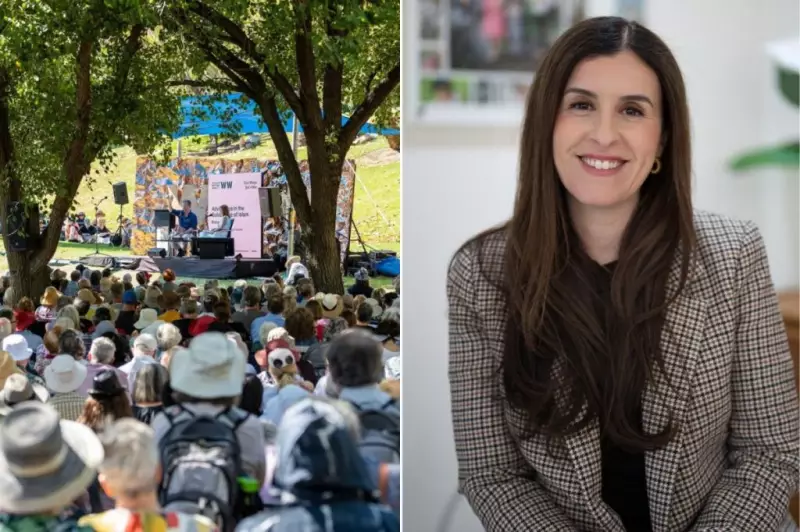
The board overseeing Adelaide Writers' Week made the contentious move to pull author and academic Randa Abdel-Fattah from its 2026 lineup. The decision, announced on January 9, 2026, was met with immediate and fierce condemnation. In a powerful public response, Abdel-Fattah did not hold back, labelling the board's action as "a blatant and shameless act of anti-Palestinian racism and censorship."
She went further, accusing the organisers of making "a despicable attempt to associate me with the Bondi massacre." This strong language underscores the deep hurt and anger felt by the advocate, who is known for her work on Palestinian rights. The incident has raised serious questions about artistic freedom, political pressure, and the boundaries of discourse at one of Australia's most respected literary festivals.

Net Zero Progress Amidst Climate Warnings
As the cultural debate raged, a separate but equally pressing issue emerged from the state government. On the same day, January 9, 2026, officials released statements asserting that South Australia remains 'on track' to achieve its net zero emissions target. This optimistic assessment arrives in stark contrast to what the report itself describes as "catastrophic climate forecasts" for the region and the planet.
This juxtaposition has left many environmental observers and concerned citizens sceptical. Readers are questioning how the state can confidently claim to be on a positive trajectory while scientific models predict severe and escalating climate impacts. The tension between political reassurance and scientific alarm forms a critical part of the current public discussion.
Community Reaction and Lasting Implications
The twin controversies have galvanised the InDaily readership, sparking intense debate across letters to the editor and social media channels. The key points of contention are clear:
- The perceived silencing of a Palestinian voice and the charges of racism against the festival board.
- The credibility of the state's environmental progress claims in the face of dire warnings.
- The broader implications for free speech, cultural programming, and climate accountability in South Australia.
These events, both unfolding on January 9, 2026, highlight a community deeply engaged with issues of social justice and environmental survival. The fallout from the Writers' Week decision may reshape the festival's future, while the net zero debate puts the government's climate policies under renewed and intense scrutiny. The conversations started here are likely to influence public discourse in Adelaide and beyond for some time to come.