MONA: Hobart's Must-Visit Museum of Old and New Art
Since its opening in 2011 by gambler and millionaire David Walsh, the Museum of Old and New Art (MONA) has become a premier reason to travel to Hobart, Tasmania. Visitors often ask, "Have you been to MONA?" or exclaim, "We must go to MONA," highlighting its status as a cultural landmark. With convenient travel options, including three direct Qantas flights weekly from Perth to Hobart on Mondays, Fridays, and Sundays, the journey takes just 3.5 hours, making it accessible for art enthusiasts from across Australia.
The Ferry Experience: Mona Roma
A key part of the MONA adventure is the ferry ride aboard the catamaran Mona Roma, which departs from Brooke Street Pier for a scenic 25-minute trip up the Derwent River. This experience sets the tone for the visit, with unique seating arrangements featuring sheep sculptures lining the outside deck and a white fibreglass cow adding to the whimsical atmosphere. Upon arrival at the Berriedale peninsula, guests are encouraged to ascend the 99 steps from the dock to the museum, though a tunnel and lift are available for those needing assistance. This climb, through limestone cuts, not only awakens the senses but also builds anticipation for the museum's entrance.
Arriving at MONA: A Citadel of Art
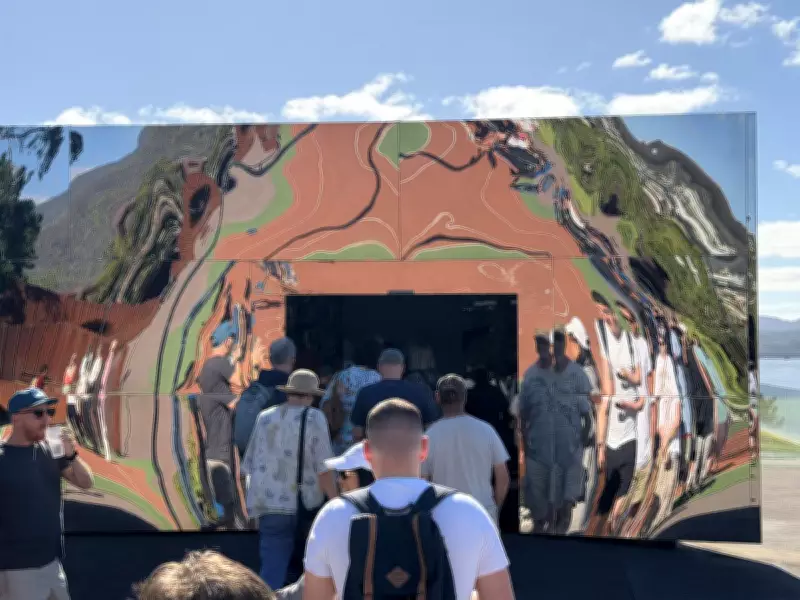
At the top, visitors enter a striking environment of rusted steel panels, soft green lawns, gum trees, and large outdoor sculptures. One standout piece is Danser La Musique, a trampoline with bells hung underneath, created by the late Chinese artist Chen Zhe, which invites interaction through vibration. The museum opens at 10am, allowing early arrivals time to explore these outdoor installations in the sunlight before heading inside through a door with a big, distorted, mirrored surround.

Inside the Museum: Three Levels of Art
MONA is organized across three levels, with the recommended approach being to start at the bottom and work your way up. The lowest level, aptly named The Void, houses a coffee shop and serves as a starting point. Throughout the museum, an app called O enhances the experience by naming and explaining artworks as visitors move through the dimly lit spaces. This digital tool, however, can sometimes distract from the analogue, real-life exhibits, as guests navigate their phones in the dark.
The subterranean architecture, featuring great walls of Triassic sandstone, immerses visitors in the heart of the peninsula. Notable artworks include German artist Julius Popp's bit.code, a dynamic installation of black and white lines reconfigured with energy chains and electronics, and his bit.fall, where water droplets form lit words as they fall from above. Classic pieces like Pierre-Auguste Renoir's Young Woman Bathing from 1888 celebrate the human body with delicacy, contrasting with other works that are darker, weird, or even pornographic, reflecting Walsh's eclectic and sometimes controversial tastes.
Visitor Information and Tips
MONA offers a range of amenities, including multiple dining options that are advisable to book in advance. The return ferry trip on the Mona Roma costs $30 each way for adults, totaling $60, while museum entry is $39. With booking fees, the combined cost is approximately $72.50. Ferries run at various times and require pre-booking, though return times can be adjusted. For those preferring to drive, MONA is also accessible by car, with details available on their website, mona.net.au.
Overall, MONA presents a unique blend of old and new art, set against the backdrop of Hobart's natural beauty. Whether you appreciate its whimsical elements or find it contrived, the museum offers an unforgettable cultural journey, capped off by the relaxing ferry ride back to the city.