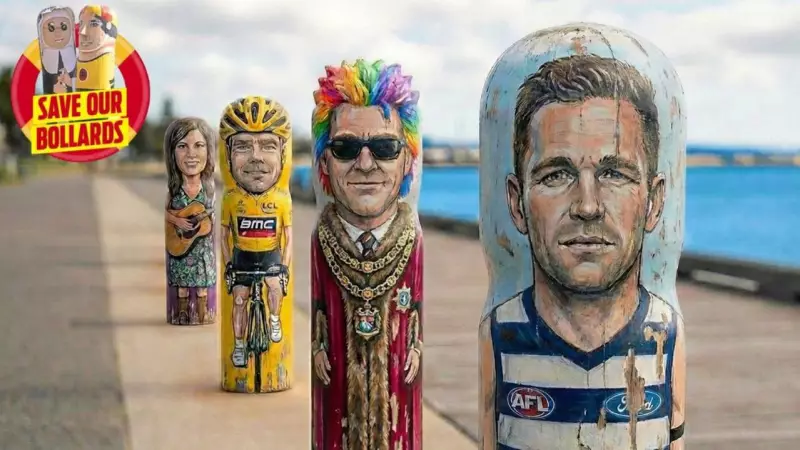
The future of Geelong's most recognisable and quirky public art is hanging in the balance. The city's famous painted bollard figures, which have stood sentinel along the waterfront for decades, are now at the centre of a major debate. The City of Greater Geelong must decide whether to repair, replace, or embark on a full restoration of the iconic collection.
The Heart of the Debate: Preserving a Legacy
Created by the late artist Jan Mitchell, the bollards have become an inseparable part of Geelong's identity. The collection features over 100 colourful characters, each depicting a slice of the region's history, from early settlers and bathing beauties to sailors and sports figures. However, time and the harsh coastal elements have taken their toll. Many of the bollards now show significant signs of wear, including fading paint, cracks, and structural damage.
The critical question facing councillors is how to proceed. A full restoration to their original condition is one option, but it comes with a substantial price tag and complex logistical challenges. Alternatively, the council could choose to repair the most damaged figures or even commission new, replacement bollards that honour Mitchell's original vision but are built with more durable, modern materials.

Community Sentiment and Artistic Integrity
This is far more than a simple maintenance issue for Geelong residents. The bollards are a source of immense local pride and a major tourist drawcard. The community is deeply invested in their preservation. A key concern is maintaining the artistic integrity of Jan Mitchell's work. Any restoration or replication would need to be handled with extreme care to ensure the charm and character of the original pieces are not lost.
The City of Greater Geelong has confirmed that the matter is under active consideration, with a report expected to come before the council in the coming months. The decision will need to balance heritage values, artistic merit, financial responsibility, and public sentiment. It is a classic urban dilemma: how does a city care for the beloved icons of its past while planning for its future?
What Comes Next for the Waterfront Icons?
The outcome of this debate will set a precedent for how Geelong values and maintains its unique public art collection. The bollards are not just street furniture; they are storytellers and a defining feature of the waterfront landscape. Their condition directly impacts the visitor experience and the city's aesthetic appeal.
Potential paths forward could include a phased restoration project, prioritising the most historically significant or deteriorated figures. Another possibility is exploring partnerships with arts foundations or launching a public fundraising campaign, similar to efforts used to maintain other major public artworks. The council's final decision will reveal much about Geelong's priorities as a city that cherishes its creative history.
As the discussion continues, one thing is clear: the fate of Jan Mitchell's bollards is a matter close to the heart of the community. Whether they are repaired, replaced, or meticulously restored, the goal remains the same – to ensure these silent, smiling sentinels continue to welcome visitors and charm locals for generations to come.