The word "hero" has been rendered almost meaningless in modern Australia, bestowed upon sports stars and celebrities with nauseating regularity. That all changed on a Sunday evening in December 2025, when terror struck Bondi Beach. In the chaos, a handful of ordinary people performed extraordinary acts, forcing the nation to confront the true, harrowing price of heroism and question who really deserves the title.
The Moment That Restored Meaning
For years, we have traded "hero" as cheap currency, applying it to athletes playing through injury or entrepreneurs risking other people's money. We hollowed out a term meant for the pinnacle of human conduct. The Bondi attack on December 14, 2025, abruptly ended that. In the face of a demented father-and-son pair carrying out carnage, there was no audience, no guarantee of success, and no time to weigh consequences. There was only instinct and a choice: self-preservation or the protection of others.
You have likely seen the footage of Ahmed al Ahmed, the Syrian-born greengrocer. He did not hide behind parked cars; he used them as tactical cover to confront and disarm one of the terrorists, an act that left his body riddled with bullets. You have heard of Alex Kleytman, the 87-year-old Holocaust survivor. Having witnessed the worst of the 20th century, he was shot dead while using his own body to shield his wife. Then there was the local couple, Boris and Sofia Gurman, callously executed after wrestling with a gunman.

These individuals did not have the luxury of fantasy. Their heroism was a brief, agonising moment of rejecting every internal alarm bell screaming for flight. Psychology is clear: when confronted with lethal chaos, most humans flee, freeze, or hide. The shaky phone footage from Bondi showed exactly that—hundreds sprinting across the sand to safety. This was not cowardice; it was biology, the ancient wiring of the nervous system prioritising survival.
The Unsettling Question We Must All Face
True heroism, as displayed at Bondi, is an act in defiance of that primal wiring. It requires overriding a surge of adrenaline and a brain discarding rational thought. It is a willingness to accept near-certain harm for the sake of strangers. This definition is as inspiring as it is confronting because it forces an uncomfortable question upon every one of us: Would I have done the same?
Most of us prefer to believe we would rise to the occasion. We imagine ourselves triumphing in crises at work, in relationships, or on the sporting field. The reality, underscored by studies of mass casualty events, is starkly different. Active resistance is rare. The heroism at Bondi exposes the gap between who we imagine ourselves to be and who we are statistically likely to be.
It was the mother who lay on top of a child who was not her own. It was the asylum seeker who rushed onto the terrorists' shooting platform to kick away a weapon, risking being mistaken for an attacker. It was Ahmed, Alex, Boris, and Sofia. They made a simple, devastating decision: the lives of others were more important than their own.
A Call for Linguistic Integrity
The events at Bondi have sparked a vital national conversation. Is it time Australia stopped devaluing the word "hero" and reserved it for genuine, self-sacrificial bravery? The displays at the beach were not a lifestyle or a personal brand; they were raw, unrehearsed, and often fatal. These individuals achieved something remarkable: they restored profound value to a term most of us had forgotten could weigh so much.
In the wake of the attack, the national discourse has shifted. While Prime Minister Anthony Albanese announced a crackdown on hate speech, the public is grappling with a deeper moral reckoning. How should the nation formally recognise such breathtaking courage? The debate continues, but one lesson from Bondi is clear: heroism is not about surpassing others, but about serving others, whatever the cost.
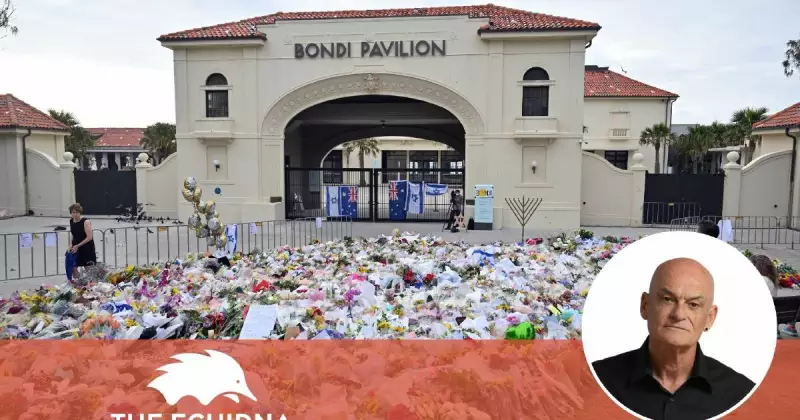
The flowers piling up at the makeshift memorial at Bondi Pavilion are not just for the victims; they are a tribute to a concept rediscovered. In a world of cheapened labels, real meaning was purchased at the highest price imaginable on a Sydney beach, reminding us all of the word's real weight.