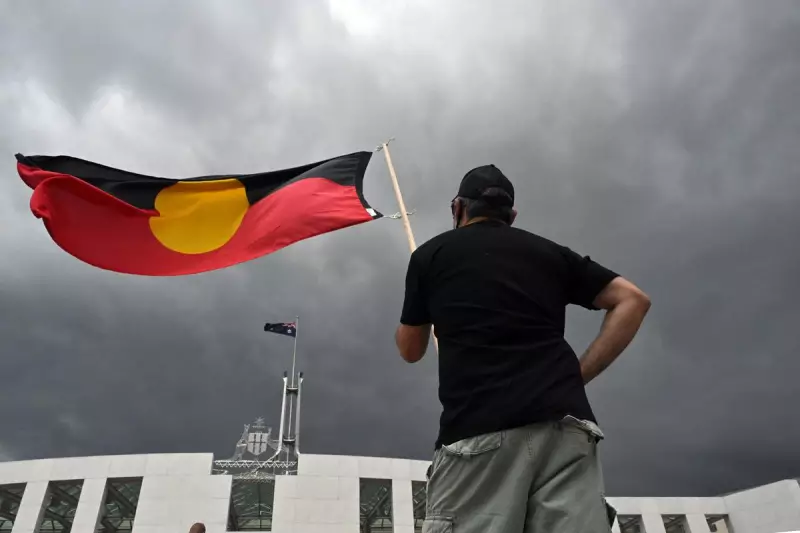
The familiar and often divisive debate surrounding Australia Day has ignited once more in Western Australia, with Perth at the centre of discussions about when the national day should be held. As the city prepares for events on January 26, the conversation continues to be shaped by calls for change and recognition of Indigenous history.
The Heart of the Debate: January 26 and Its Significance
The core issue remains the date itself. January 26 marks the anniversary of the 1788 arrival of the First Fleet at Sydney Cove, a day many Indigenous Australians refer to as Invasion Day or Survival Day. For many, it represents the beginning of colonisation, dispossession, and profound loss.
In Perth, this ongoing national conversation is reflected in the variety of events scheduled. While official citizenship ceremonies and community awards will proceed, they are increasingly accompanied by events that foster reflection and acknowledge the complex history of the date.

The City of Perth will hold its official Australia Day awards, fireworks, and Skyworks events as planned. However, the broader community dialogue underscores a growing push to find a date that all Australians can celebrate inclusively.
Events and Perspectives Shaping Perth's Commemoration
This year's landscape in Perth illustrates the dual nature of the day. Traditional celebrations will coexist with solemn gatherings focused on reflection and healing. Community leaders and organisations are emphasising the importance of understanding the full scope of Australian history.
Advocates for changing the date argue that January 26 cannot be a unifying national day while it causes pain to First Nations peoples. They propose selecting a new date that celebrates modern Australia without the baggage of colonial invasion.
Conversely, those who support keeping the date often view it as a long-standing tradition marking the foundation of modern Australia. They argue the day is about celebrating the nation as it is today, including its multicultural success and Indigenous heritage.
The debate is not new, but its prominence in Perth's public discourse continues to grow each year. Local councils and community groups are increasingly mindful of how they frame their January 26 activities, seeking to balance celebration with respect.
Looking Forward: A Nation Grappling with Its Identity
The annual recurrence of this debate in Perth and across Australia highlights a nation still grappling with questions of identity, history, and reconciliation. The discussion extends beyond a simple date change to deeper issues about how history is remembered and who is included in the national narrative.
As Perth residents decide how to spend January 26—whether attending dawn reflection services, community barbecues, or Survival Day rallies—the day serves as a powerful annual checkpoint on the country's journey towards a more inclusive future.
The persistence of the debate suggests that the status quo is increasingly unstable. While a nationwide date change is not imminent, the pressure for a broader conversation about a more unifying national day continues to build, ensuring that Perth will see this same debate return, perhaps with greater intensity, next January.