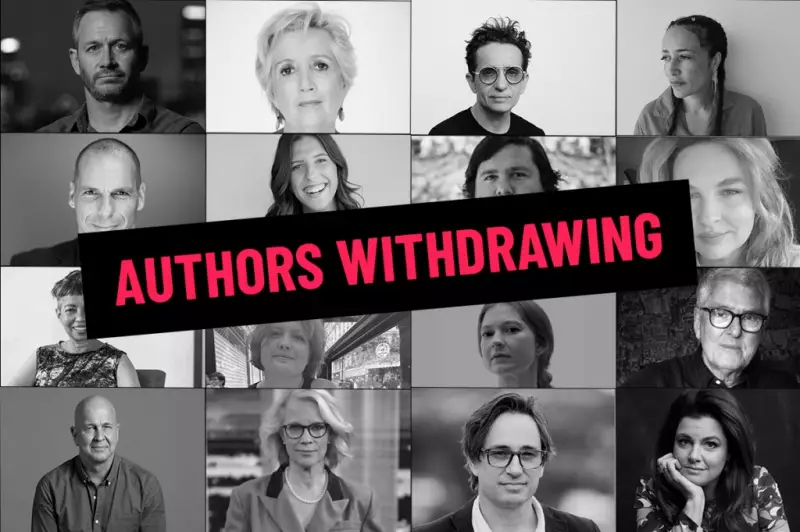
Adelaide Writers' Week, a cornerstone of the Adelaide Festival and one of Australia's most prestigious literary events, is teetering on the edge of collapse. The festival is facing an unprecedented crisis as the number of writers withdrawing their participation has surged to nearly 100. This mass exodus threatens the very viability of the 2026 event and has sent shockwaves through the nation's cultural community.
The Sponsorship Controversy Igniting the Crisis
The root of the crisis lies in a controversial sponsorship deal. Festival organisers confirmed a partnership with BAE Systems Australia, a subsidiary of the global defence and aerospace giant BAE Systems. This decision has proven deeply divisive, sparking immediate and fierce backlash from the literary community.
Authors, poets, and thinkers scheduled to appear began publicly condemning the association with a major arms manufacturer. They argue that accepting funding from a company linked to the defence industry is fundamentally at odds with the intellectual freedom, ethical discourse, and peaceful exchange of ideas that a literary festival should champion. The protest has snowballed from a handful of voices into a coordinated movement, with the list of departing writers growing daily.

A Staggering Exodus of Literary Talent
The scale of the withdrawal is staggering and without precedent in the festival's long history. Nearly 100 writers have now pulled out, decimating the planned program. This group includes a mix of local Australian authors and international guests, representing a wide cross-section of genres and perspectives.
Organisers are scrambling to fill the enormous gaps in the schedule, but the reputational damage may be irreparable. The loss of so many high-profile participants undermines the festival's status as a premier destination for world-class literary discussion. With the event scheduled for March 2026, time is running out to mount a credible recovery, casting serious doubt on whether the week can proceed in any meaningful form.
Broader Implications for Arts Funding and Ethics
This crisis extends far beyond the immediate logistical nightmare for Adelaide Writers' Week. It has ignited a fierce national debate about the ethics of arts funding in Australia. Cultural institutions perennially struggle for financial support, often forcing them to seek partnerships with corporate entities.
The central question now being asked is: what lines should not be crossed? The controversy pits the pragmatic need for funding against the ethical principles many artists and writers hold dear. The fallout is being closely watched by other festivals and arts organisations across the country, who may face similar dilemmas and pressures.
For South Australia, the potential collapse of such a flagship event represents a significant cultural and economic blow. Adelaide Writers' Week draws visitors, media attention, and prestige to the state. Its failure would leave a major hole in the nation's literary calendar and signal a troubling moment for artistic independence in the face of commercial and political pressures.
The coming weeks will be critical. Festival directors must decide whether to sever the controversial sponsorship in a bid to woo authors back, or to proceed with a radically diminished program, risking the event's long-term future and legacy.