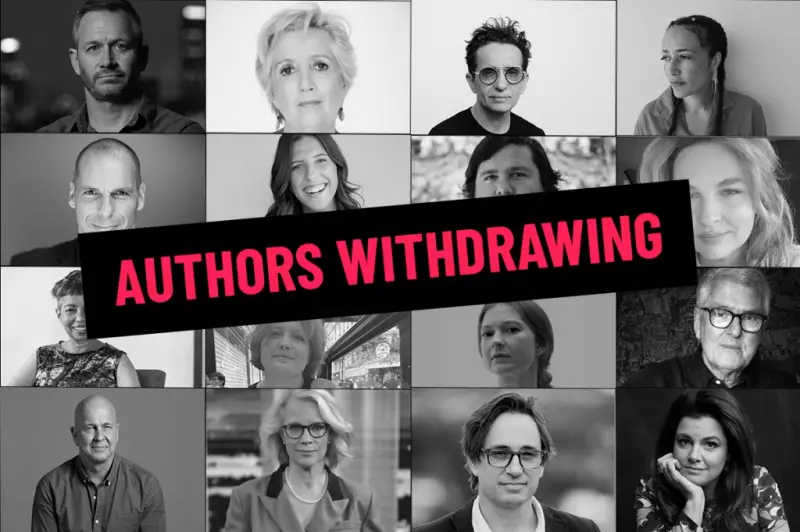
The Adelaide Festival board has ignited a firestorm of controversy and a fierce debate on artistic freedom after its decision to cancel a scheduled event featuring a prominent Palestinian writer. The move, which has drawn condemnation from artists, writers, and free speech advocates, centres on the board's last-minute intervention to drop the writer from the festival program.
The Decision and Its Immediate Fallout
The controversy erupted when the festival's board of directors made the unilateral decision to remove the Palestinian writer from the event lineup. This action was taken despite the event having been fully planned and promoted, leaving organisers and participants blindsided. The board cited concerns about the potential for the event to be perceived as taking a political stance or causing community division as a primary reason for the cancellation.
This decision was met with swift and strong backlash. Key figures within the Australian literary and arts community have publicly criticised the move, labelling it an act of censorship and a failure to uphold the festival's commitment to diverse voices and challenging discourse. Critics argue that the board's action sets a dangerous precedent, where complex but vital global conversations are silenced rather than engaged with through the lens of art and literature.

A Clash of Values: Art, Politics, and Free Expression
The incident highlights a growing tension within cultural institutions. On one side is the desire to present a wide array of perspectives and foster difficult conversations, which is often seen as a core function of the arts. On the other is a perceived pressure to avoid controversy, particularly on deeply polarising international issues. The Adelaide Festival board's choice has squarely placed it in the latter camp for many observers.
Supporters of the board's decision, though less vocal in the public sphere, may view it as a necessary step to maintain the festival's focus on art and avoid being drawn into geopolitical conflicts. However, opponents contend that literature and art are inherently connected to the human experience, which includes politics and conflict, and that shielding audiences from certain narratives is a form of intellectual protectionism.
The writer at the centre of the controversy is a recognised voice whose work often explores themes of identity, displacement, and resistance. The cancellation has effectively denied Australian audiences the opportunity to engage with this perspective directly, a point that has become a focal point of the criticism.
Broader Implications for Australian Cultural Institutions
The repercussions of this decision extend far beyond a single cancelled event. It raises critical questions about the role of artistic directors versus governing boards, and who ultimately gets to decide what stories are told on Australia's premier cultural stages. The affair has sparked a national conversation about whether arts festivals should be safe spaces for challenging ideas or conflict-free zones of entertainment.
Furthermore, the incident touches on issues of representation and voice. In an increasingly multicultural Australia, the decision to silence a Palestinian narrative is seen by many as out of step with the nation's diverse fabric and its commitment to free expression. It also risks alienating segments of the artistic community who may now view the Adelaide Festival as an unreliable partner for presenting work that tackles contentious subjects.
The fallout is likely to influence programming decisions at other major festivals and cultural events across the country, as boards and directors weigh the potential for backlash against their duty to promote artistic excellence and intellectual courage. The event's cancellation serves as a potent case study in the challenges facing cultural leadership in a divided world.
Ultimately, the Adelaide Festival board's action has done more than just cancel an event; it has forced a moment of reckoning for Australia's arts sector. The debate now centres on whether institutions will champion the difficult, necessary work of fostering understanding through art, or retreat into a more cautious, and arguably less relevant, cultural posture. The resolution of this conflict will shape the Australian cultural landscape for years to come.