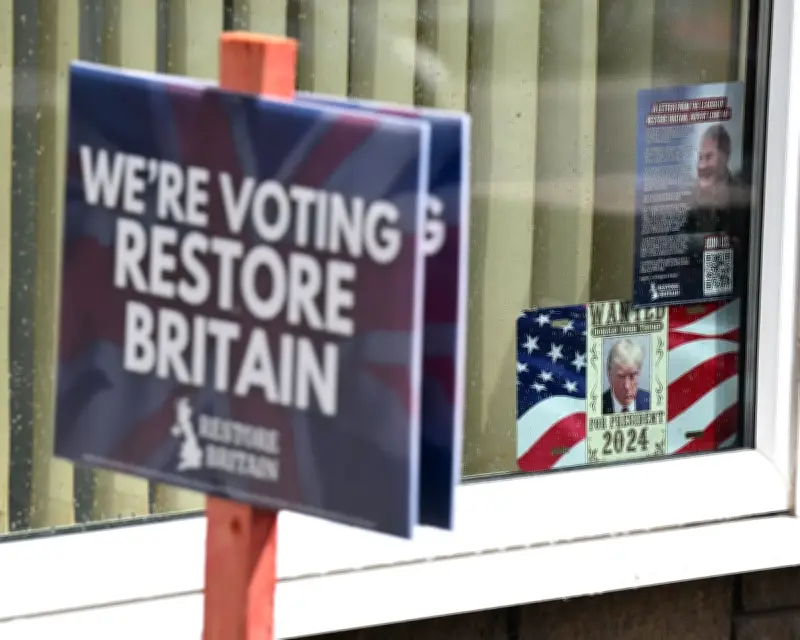
In the United Kingdom, a new far-right party called Restore Britain is gaining attention, founded by multimillionaire businessman and former Reform MP Rupert Lowe. The party enjoys active support from Elon Musk, the world's richest man, and advocates for the deportation of not only undocumented migrants but also legally resident foreign nationals who live in social housing, claim benefits, or fail to integrate. Lowe has stated that millions of people need to leave or be made to leave, and he has called for imprisoning officials who knowingly placed dangerous third world savages in communities.
The Rise of Restore Britain
Restore Britain claims to have 130,000 members, which would make it larger than the Conservative Party. Labour canvassers in the Makerfield byelection report that the party is finding an audience. While it may split the right-wing vote and help Labour's Andy Burnham win, it is deeply unwise to feel gratitude. Restore Britain is not an isolated phenomenon but part of a larger story across the West.
Historical Context
After World War II, a consensus emerged to establish a cordon sanitaire against the far right, deemed politically illegitimate. The first serious breach came in Austria in 2000 when the far-right Freedom Party entered a coalition government, sparking protests and EU sanctions. Since then, far-right parties have been normalised across Europe without such responses. In Germany, the centre-right Christian Democrats passed an anti-migrant resolution with support from the far-right AfD, breaking a basic consensus. The Dutch far-right was the largest party in a coalition until it collapsed, and in Spain, mainstream conservatives strike regional coalitions with far-right Vox.

Mainstreaming Extremism
Surviving centre-right parties have adopted anti-migrant agendas, and some have been taken over by the far right, notably the US Republicans. The old consensus about what lies beyond the pale has collapsed. US President Donald Trump has called Somalis garbage and said their country stinks, language that would once have ended a political career. He has pardoned far-right insurrectionists who attempted a violent coup and appointed figures with white supremacist views.
Britain's Trajectory
Britain follows the same path. Nigel Farage now speaks of anti-white prejudice and discrimination, rhetoric long associated with the far right. Reform advocates deporting lawful foreign residents in social housing. As Reform faces pressure from Lowe's insurgency, it moves further right, and the Conservatives respond by shifting rightwards for Reform voters, creating a conveyor belt of radicalisation.
The Unsettling Question
If it is now mainstream to claim white Britons are victims of systemic discrimination, what comes next? There are no roadblocks on the right-wing frontier, with politicians competing to occupy ever more extreme ground. Meanwhile, progressive movements face incessant scrutiny and moral panic, such as smearing opponents of Israel's genocide as extremists. This imbalance hobbles resistance to the far-right surge.
How Does It End?
The poison may leave the system only when it becomes sick enough to reject it. But once in power, authoritarians will rig the game and make minorities suffer. An alternative is a politics directing public anger towards concentrations of wealth and power, not scapegoats. For now, nothing is too rightwing anymore.