Matariki 2026 Unites Communities Across Aotearoa
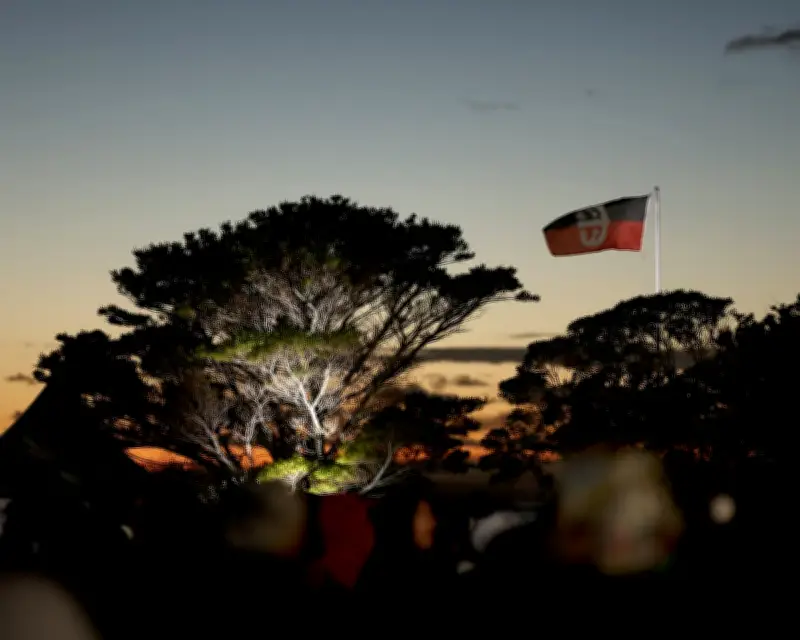
Thousands of New Zealanders marked the 2026 celebration of Matariki, the Māori New Year, with a series of public events, feasts, and stargazing gatherings from July 8 to 10. The holiday, which became a public holiday in 2022, honors the Pleiades star cluster's rising and signals a time of reflection, remembrance, and renewal.
In Auckland, the annual Matariki Festival at the Auckland Domain attracted over 50,000 attendees, featuring live performances, a kapa haka competition, and a fireworks display synchronized to traditional waiata. Organizers reported a 20% increase in participation compared to 2025, reflecting growing engagement with Māori culture.
Cultural Significance and Community Events
Matariki marks the start of the Māori lunar calendar and is a time for honoring ancestors, sharing kai (food), and planning for the year ahead. In Wellington, Te Papa Tongarewa hosted a dawn ceremony with kaumātua (elders) leading karakia (prayers) and a blessing of the wharenui (meeting house). The museum also launched a new exhibition on Māori astronomy, featuring interactive displays and rare star charts.

Rotorua’s Te Puia cultural center offered guided tours of the geothermal valley and a hangi feast, while Christchurch’s Matariki celebration at the Botanic Gardens included lantern-making workshops and a storytelling session for children. In smaller towns like Gisborne and Whakatāne, community groups organized stargazing nights with telescopes, allowing families to view the Matariki cluster.
Government and Public Response
Prime Minister Jacinda Ardern attended the Auckland event, stating, “Matariki is for everyone. It’s a time to come together, reflect on the past, and look forward with hope.” She emphasized the holiday’s role in strengthening national identity and promoting Māori language and customs. The government allocated $5 million in funding for Matariki events across the country, supporting local councils and iwi (tribes) in organizing activities.
According to a survey by the Ministry for Culture and Heritage, 78% of New Zealanders participated in at least one Matariki activity in 2026, up from 72% in 2025. The survey also found that 65% of non-Māori respondents said they learned more about Māori traditions through the celebrations.
Economic and Social Impact
Retailers and hospitality businesses reported a boost in sales, with the Auckland Council estimating a $20 million economic impact from the three-day weekend. Hotels in major cities were fully booked, and restaurants offered special Matariki menus featuring traditional ingredients like kūmara (sweet potato) and pāua (abalone).
The celebration also highlighted environmental themes, with many events promoting sustainability. In Hamilton, the Waikato River cleanup coincided with Matariki, drawing 1,500 volunteers. Organizers emphasized the Māori concept of kaitiakitanga (guardianship) as central to the holiday’s message.
Looking Ahead
As Matariki becomes an established part of New Zealand’s calendar, iwi leaders hope to see deeper integration of Māori knowledge into education and public life. The 2026 celebrations set a new benchmark for inclusivity, with events designed to be accessible to people of all ages, abilities, and backgrounds. “Matariki is a gift to all New Zealanders,” said Dr. Rangi Matamua, a Māori astronomer and author. “It connects us to the stars, to our ancestors, and to each other.”