Drone Attacks Paralyze Sea of Azov Shipping
Ukraine's intensified drone campaign has achieved a significant strategic victory, forcing Russia to suspend all commercial and military shipping in the Sea of Azov. The suspension, announced by Russia's Federal Agency for Maritime and River Transport on Monday, effectively blocks a vital corridor for Russian exports and military logistics.
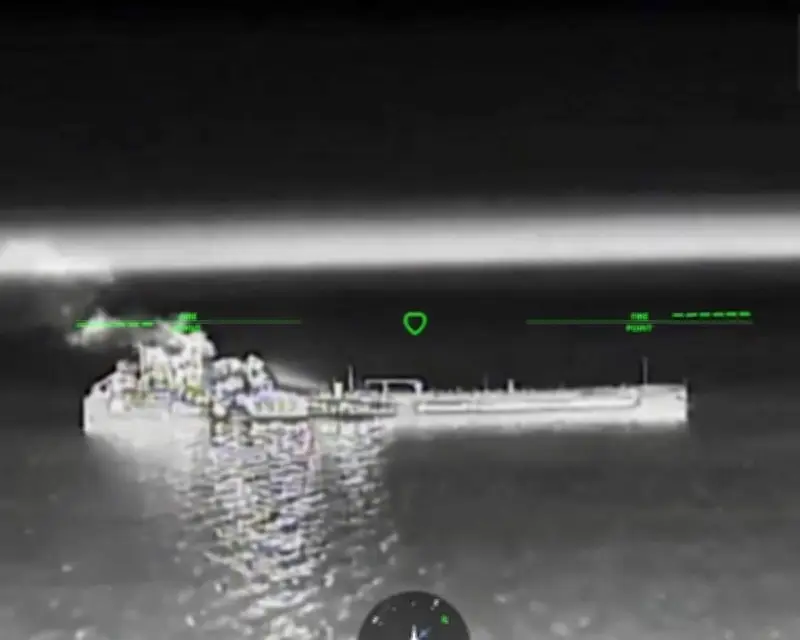
The move comes after a series of coordinated Ukrainian drone strikes targeted Russian naval vessels and port infrastructure in the region. According to Ukrainian military officials, at least three Russian warships were damaged in the attacks, including a patrol vessel and two landing craft. The strikes also hit fuel storage facilities at the port of Berdyansk, causing massive fires.
Impact on Trade and Military Operations
The Sea of Azov is a critical waterway for Russia, linking its southern ports to the Black Sea and global markets. Before the conflict, it handled about 30% of Russia's grain exports and a significant portion of its steel and coal shipments. The suspension is expected to disrupt supply chains and further strain the Russian economy, already reeling from Western sanctions.

“This is a major blow to Russia's ability to project power in the region and sustain its military operations in southern Ukraine,” said Dr. Emily Ferris, a defense analyst at the Royal United Services Institute. “Ukraine has demonstrated that it can threaten Russia's maritime assets, which were previously considered safe.”
Escalation of Drone Warfare
Ukraine has increasingly relied on domestically produced drones to strike deep behind Russian lines. The latest attacks used a combination of aerial drones and unmanned surface vessels (USVs), according to Ukrainian military sources. The USVs, packed with explosives, targeted Russian ships at anchor, while aerial drones struck port facilities.
The Russian Defense Ministry confirmed the attacks but claimed that most drones were intercepted. However, satellite imagery from Planet Labs shows significant damage to the port of Berdyansk, including destroyed cranes and sunken vessels. The imagery also reveals a lack of ship traffic in the Sea of Azov since the announcement.
Reaction from International Community
The United Nations has expressed concern over the escalation, calling for restraint from both sides. A UN spokesperson stated that the disruption to shipping could exacerbate global food insecurity, particularly in regions dependent on Russian grain exports. Meanwhile, NATO has praised Ukraine's defensive capabilities, with a senior alliance official noting that the strikes demonstrate Ukraine's ability to challenge Russian naval dominance.
Russia has condemned the attacks as acts of terrorism and vowed retaliation. In a statement, the Russian Foreign Ministry said, “Such reckless actions will not go unanswered. Russia reserves the right to take all necessary measures to protect its national security and ensure the safety of its shipping.”
Broader Strategic Implications
The suspension of shipping in the Sea of Azov marks a significant shift in the conflict's dynamics. It not only hampers Russia's economic interests but also complicates its military logistics, as the route was used to supply Russian forces in occupied Ukrainian territories. Analysts suggest that Ukraine's drone campaign is part of a broader strategy to degrade Russian capabilities before a potential counteroffensive.
“Ukraine is systematically dismantling Russia's ability to sustain its war effort,” said retired U.S. Admiral James Stavridis. “By targeting the Sea of Azov, they are hitting both the economy and the military supply chain. It's a smart, multi-domain approach.”
The long-term impact remains uncertain, but the immediate effect is clear: Russia's control over the Sea of Azov has been severely challenged, and the region's shipping industry faces an indefinite disruption.