On the first day of Australia's social media ban for under-16s, many children have already found ways to circumvent the restrictions. Age verification systems have misclassified users, and teens are using VPNs, fake IDs, and even makeup tricks to maintain access. The government acknowledged the ban would not be perfect but said loopholes would not remain open forever.
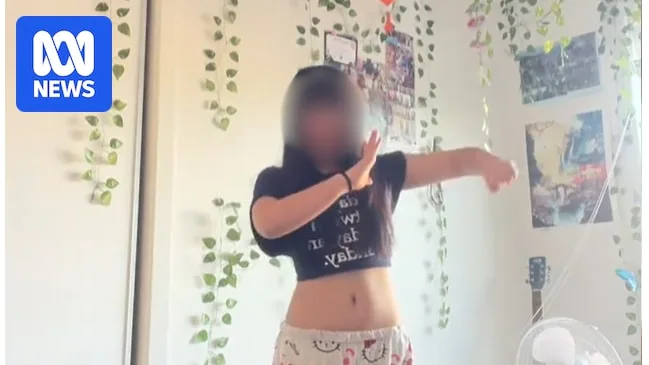
Parents have reported their children successfully bypassing the ban. Cassandra from Mollymook, NSW, said her 14-year-old son changed his age on Snapchat and passed a selfie age confirmation, gaining access as a 23-year-old. She was unable to revert the change due to limits on birthday modifications. Alana Scheiffers from Canberra said her 15-year-old daughter and friends were back on Instagram after passing a photo-based age verification.
Other parents shared similar stories. David from Victoria said his 11-year-old son received a message on TikTok estimating his age as 18. Matt from Queensland said his 13-year-old son passed a face scan by hiding his teeth and scrunching his face, with the system guessing his age as 30+. Melissa from Western Australia noted her 14-year-old daughter had not been asked to verify her age, while her nearly 16-year-old son was already banned.

Professor Lisa Given from RMIT University explained that facial scanning technology has an error margin of one to three years, meaning a 14-year-old could be incorrectly deemed old enough. She also noted that teens could use VPNs, fake IDs, or have someone over 16 complete the facial scan for them. Some teenagers have posted online about 'surviving' the ban and flooding Prime Minister Anthony Albanese's account with comments that the ban 'didn't work'.