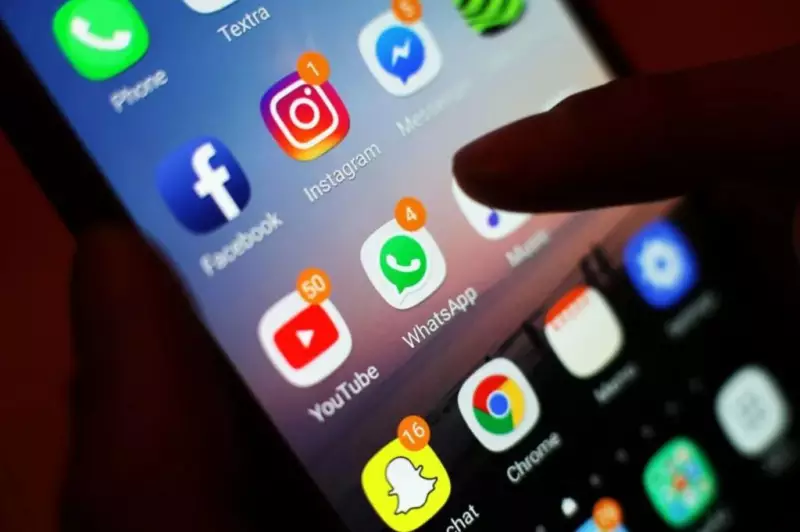
A proposed ban on social media for children under 16 in Australia may not achieve its goal of keeping young people offline, with experts predicting kids will simply find ways to bypass the restrictions. The policy, which is slated to come into effect from January 1, 2026, aims to protect minors from online harms but faces significant practical challenges.
The Proposed Ban and Its Potential Loopholes
The federal government's plan involves implementing an age verification system to prevent under-16s from creating accounts on major social media platforms. However, cybersecurity and digital literacy experts are raising serious concerns about the effectiveness of such a measure. They argue that tech-savvy children are likely to circumvent the ban using readily available tools.
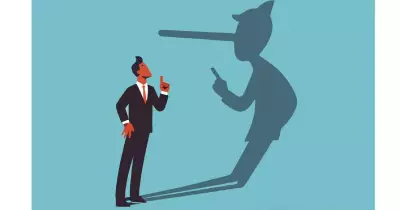
The most common method predicted is the use of Virtual Private Networks (VPNs), which can mask a user's location and make it appear as though they are accessing the internet from a different country where no such ban exists. Other methods include using fake email addresses, borrowing older siblings' or parents' devices and accounts, or simply lying about their age during sign-up—a tactic that has been common since the inception of age-restricted platforms.

Expert Warnings and Alternative Solutions
Associate Professor from the University of Adelaide, who specialises in digital literacy, emphasised that a blunt ban could be counterproductive. "It doesn't address the root cause of why children are on these platforms," the expert stated. The focus, they suggest, should shift towards comprehensive digital education that empowers children to navigate online spaces safely and critically, rather than relying solely on restrictive barriers that can be easily dodged.
This sentiment is echoed by other child safety advocates who believe resources would be better invested in school-based education programs and support for parents to guide their children's online behaviour. The proposed ban also raises questions about enforcement and the privacy implications of widespread age verification technologies, which would require the collection of sensitive personal data like passports or driver's licences.
What Happens Next?
With the start date set for the beginning of 2026, the government is in a race against time to refine the policy. The coming months will likely see intense debate between policymakers, tech companies, privacy advocates, and child welfare groups. The core challenge remains: how to create a genuinely safe online environment for young Australians without pushing their activity underground or infringing on privacy rights.
The success of the ban will ultimately depend on its technical implementation and whether it is paired with the robust educational support that experts are calling for. Without this dual approach, the fear is that children will still be on social media, but with even less oversight and protection than they have now.