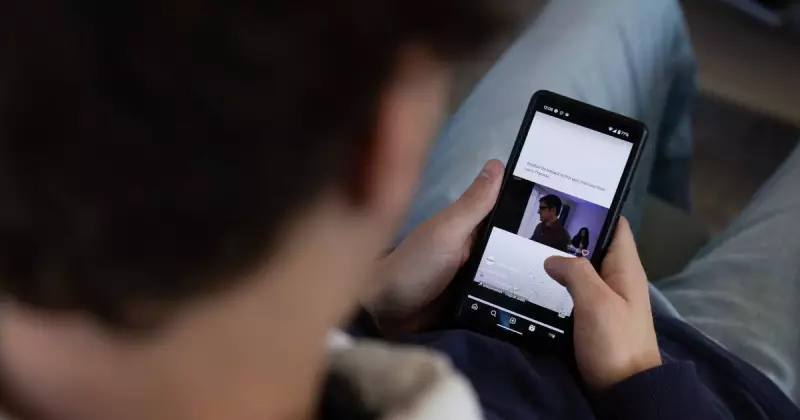
Australia is poised to enact one of the world's most stringent digital age restrictions, with legislation from the Albanese government banning children under 16 from platforms like Facebook, YouTube, and TikTok set to take effect on December 10, 2025. The move, which will require companies to deactivate existing accounts for underage users, has ignited a fierce debate about online safety, digital rights, and potential unintended consequences.
The Rationale Behind the Ban
The government's decisive action is a direct response to a growing body of research linking social media use to significant harms for young people. Studies cited by proponents indicate these platforms can be detrimental to children's educational outcomes, mental health, and social development. These issues frequently manifest through pervasive cyberbullying, exposure to harmful misinformation, and the promotion of unrealistic body images that contribute to anxiety and self-esteem issues.
By placing the enforcement burden on the tech giants themselves, the policy aims to create a simpler, more blanket form of protection. However, this top-down approach is facing substantial criticism from various quarters, including international human rights organisations.

Critics Warn of Isolation and Riskier Alternatives
Organisations like UNICEF have voiced strong concerns, arguing that the legislation fails to account for the vital support networks social media provides for marginalised and vulnerable young people. For LGBTQ+ youth, those in remote areas, or children with niche interests, these platforms can be a lifeline to community and understanding not found in their immediate physical surroundings.
Critics, including concerned citizens like Helen Douglas of Stockton, fear the ban will simply drive determined teenagers to circumvent the restrictions. "In doing so, they may access dark web sites that have no guidelines, unlike the present," she warns. This could expose them to completely unmoderated content, presenting a far greater danger than the regulated, if flawed, major platforms.
The Changing Landscape of News and Information
Further complicating the issue is the fundamental shift in how younger generations consume information. Recent studies highlight that children and teenagers are increasingly interested in local and international news, but they seldom use traditional media like television or radio to get it. Instead, they turn to the very platforms facing the ban—YouTube, Facebook, and TikTok—not just for entertainment but for news and current affairs.
This reality raises a critical question about digital citizenship. As Helen Douglas argues, "In a digitalised computerised society, we need citizens who are informed, engaged and global in outlook." Many educators and parents are now asking whether a blunt ban might stifle this development, with Douglas cautioning, "are we throwing the baby out with the bathwater?"
The consensus among critics is not that protection is unnecessary, but that a more nuanced solution is required. They call for greater input from educators, parents, and young people themselves, alongside a stronger focus on teaching digital literacy and critical thinking skills, rather than outright removal of access.
A Community Divided: Other Voices from the Letters Page
The Newcastle Herald's letters section revealed a community grappling with multiple issues. The social media debate was juxtaposed with strong opinions on political stunts, following Pauline Hanson's recent burqa protest in the Senate. Readers like Peter Devey of Merewether saw it as "politics as usual," while Mac Maguire of Charlestown labelled it "racism dressed as concern for women's rights."
Local issues also featured prominently, with continued scrutiny of Newcastle's light rail project. Correspondent Peter Sansom of Kahibah echoed earlier criticisms, stating "the people have not come back into the city as was promised," and joined calls for planning to begin on extending the line into the suburbs.

As the December 10 deadline approaches, the national conversation around protecting children online is far from settled. The challenge for policymakers will be to balance genuine safety concerns with the need to prepare young Australians for an inevitably digital future, without isolating those who need connection the most.