A Geelong family has shared a harrowing account of how online algorithms on platforms like YouTube systematically led their teenage son down a path of radicalisation, culminating in a face-to-face meeting with the leader of a violent neo-Nazi group.
The Descent Begins with Gaming and Conspiracy Theories
The parents, who have chosen to remain anonymous to protect their son's privacy, watched in horror as their child transformed. It began innocently enough with an interest in online gaming and popular culture commentary. However, the family says the recommendation algorithms on YouTube and other social media platforms began to funnel him towards increasingly extreme content.
His viewing habits shifted from gaming videos to content about male self-improvement, then to anti-feminist and men's rights material. This escalated to conspiracy theories and, ultimately, to white supremacist and neo-Nazi propaganda. The algorithms, designed to maximise engagement by suggesting similar or more provocative content, created a dangerous digital rabbit hole.

"It was a slow creep," one parent told the Geelong Advertiser. "You don't notice it day by day, but when you look back over months, the change is dramatic and terrifying."
A Face-to-Face Meeting with a Neo-Nazi Leader
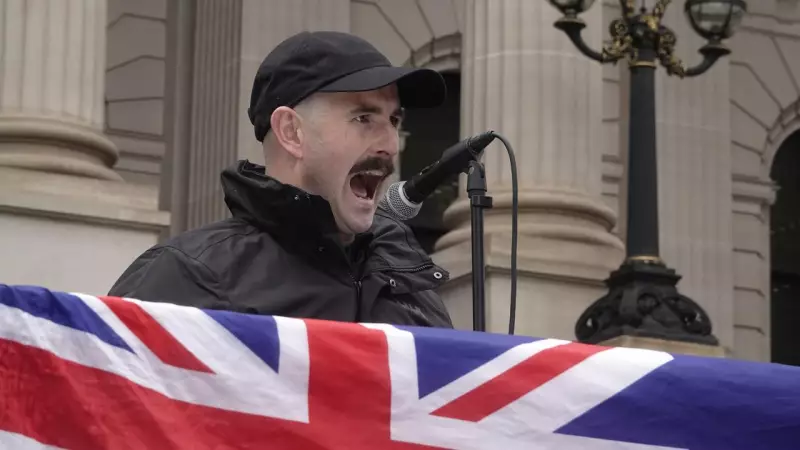
The online radicalisation had real-world consequences. The family discovered their son had travelled to Melbourne to meet with Thomas Sewell, the leader of the National Socialist Network, a known neo-Nazi group. Sewell has a history of violent incidents and promoting extremist ideology.
This shocking discovery was the catalyst for the family to speak out. They realised the online environment was not a passive space but an active force shaping their son's worldview. They intervened, seeking professional help and drastically limiting his internet access, a move they say has led to a significant positive change in his attitudes.
A Call for Accountability and Action
The Geelong family's story is not an isolated case. It highlights a growing concern about the role of social media algorithms in facilitating radicalisation, particularly among young, impressionable users. The parents are now calling for greater accountability from tech giants.
They argue that companies like Meta (which owns Facebook and Instagram) and Google (which owns YouTube) must take more responsibility for how their platforms' designs can amplify hate and extremism. They want to see transparency in how algorithms work and more robust systems to prevent the automated recommendation of harmful content.
"These companies are making billions, and they have a duty of care," a parent stated. "Their algorithms are powerful, and right now, they are too often leading kids down these dark paths without any safeguards."
The family's courageous decision to share their story serves as a stark warning to other parents about the hidden dangers of unchecked online activity. It underscores the urgent need for a combined effort from parents, educators, policymakers, and technology companies to address the systemic risks of digital radicalisation.