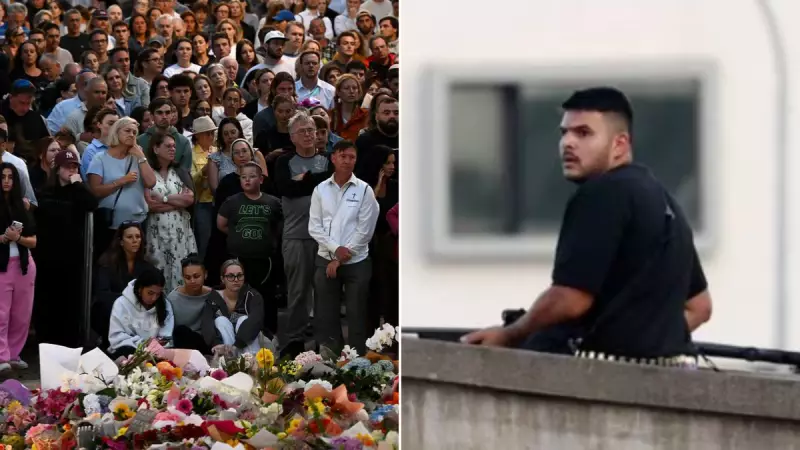
In the chaotic aftermath of the Bondi Beach mass shooting, a parallel crisis of dangerous misinformation rapidly spread across social media platforms, complicating the emergency response and endangering innocent lives.
False Reports and a Case of Mistaken Identity
The tragic incident occurred around 6.40pm on Sunday when two men, identified by police as father and son Sajid Akram, 50, and Naveed Akram, 24, opened fire on civilians. The attack resulted in 15 fatalities and 40 injuries. Sajid Akram was killed during the incident, while his son was critically injured.
While social media was initially a vital tool for emergency updates, it quickly became a conduit for falsehoods. Within an hour, unverified reports of another shooter in Dover Heights circulated, which NSW Police swiftly debunked. Other posts falsely inflated the death toll to "hundreds."

The most perilous misinformation emerged around 9pm with the online sharing of suspected gunman Naveed Akram's driver's licence. This led to the false identification of a completely innocent Sydney engineer who shares the same name. The Pakistan-born man, whose appearance did not match the licence photo, was horrified to find his social media images being shared in connection with the attack.
"That is not me and I have nothing to do with that incident or with that person," he pleaded online, fearing for his safety and stating he "cannot even go outside safely." He urged the public to report the false posts.
Debunked Conspiracy Theories and Weapon Origins
Online agitators also targeted hero Ahmed al-Ahmed, who bravely wrestled a firearm from one attacker. US-based activist Laura Loomer falsely claimed he was a "Lebanese or Coptic Christian," despite his family confirming he is a Syrian Muslim who immigrated over a decade ago.
Further conspiracy theories attempted to falsely link the attack to Israel, based on manipulated Google search analytics for "Naveed Akram." Fact-checkers from AAP found these claims used fabricated or misinterpreted data, often from users in different time zones.
As footage showing the gunmen's proficiency with rifles and shotguns emerged, some speculated about military training, even calling the attack a "false flag." These claims were dismissed by NSW Police Commissioner Mal Lanyon, who revealed Sajid Akram had held a recreational firearms licence since 2015 and was a member of a gun club and a recreational hunter. He legally owned six firearms, all located at the scene. Both Akrams had previously used the government-operated shooting range at Cecil Park.
A Plea for Calm in a Time of Grief
Days after the incident, misinformation continued to circulate. Commissioner Lanyon made a direct appeal to the public for peace and rationality during the difficult recovery period.
"We need to appeal for calm," Lanyon stated. "The last thing we need is a descent into violence." He emphasised that any retaliatory attacks would only hinder the community's healing process.
The events at Bondi Beach underscore the dual-edged nature of social media in a crisis: a powerful tool for real-time information that can be just as quickly weaponised to spread fear, endanger the innocent, and fracture community solidarity when it is needed most.