A 13-year-old boy from the New South Wales Central Coast has been charged after allegedly orchestrating a series of terrifying hoax calls that triggered frantic active shooter responses across the United States, causing widespread panic and mass evacuations.
Panic From 16,000 Kilometres Away
The teenager, from Wyong, is accused of making a dozen hoax calls, known as 'swatting', to American authorities and institutions. These calls, which included background noise mimicking gunfire, falsely claimed shooters were opening fire at schools, universities, and major retailers including Walmart.
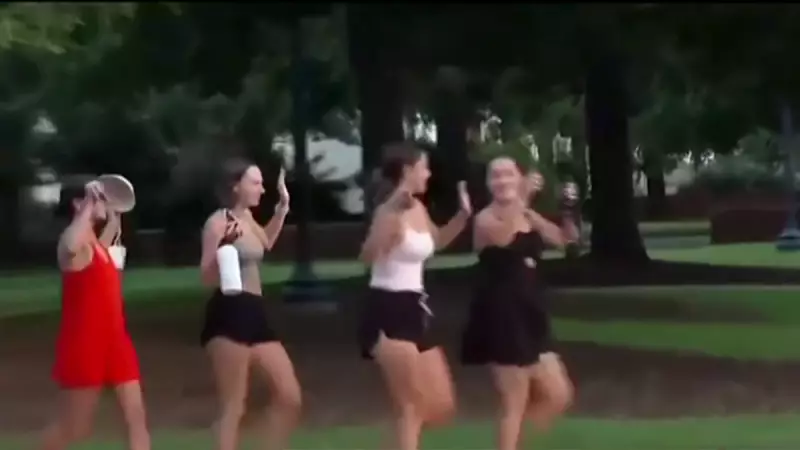
The alleged actions prompted large-scale emergency responses from US law enforcement. Students were forced to shelter in place for nearly two hours at some locations, fleeing buildings under the belief a real attack was underway. The scenes of terrified evacuations were captured extensively by local US news crews.

Despite originating from a quiet Central Coast suburb, the calls had a profound impact. Police traced the hoaxes back to the boy's parents' house in Wyong, following a tip-off from the Federal Bureau of Investigation (FBI) to the Australian Federal Police (AFP).
A Sophisticated Bedroom Setup
Investigators allege the boy used a sophisticated computer system to make the calls. Police uncovered this setup and also allegedly recovered an unauthorised firearm from the home.
According to information provided to 7NEWS, the teenager had even constructed a soundproof booth within his bedroom to carry out the alleged activities. His parents, unaware of his actions, believed he was simply gaming.
The multi-agency investigation was launched in October, leading to the boy's arrest in December. AFP Commissioner Krissy Barrett vowed at the time to dismantle the online criminal networks involved, stating the mission was to "identify, disrupt and dismantle those online criminal ecosystems that target Australians." It is alleged the boy was involved with such a network.
Court Appearance and Strict Bail Conditions
The 13-year-old faced Wyong Children's Court on Tuesday, where he pleaded not guilty to 12 counts of using a telecommunications system to commit a serious offence and one count of possessing an unauthorised firearm.
He has been granted strict conditional bail. The conditions explicitly ban him from accessing computers, as authorities work to prevent any further alleged incidents while the case proceeds.
The case highlights the global and disruptive nature of cyber-enabled crimes like swatting, where a single individual can instigate fear and consume significant emergency resources from halfway around the world.