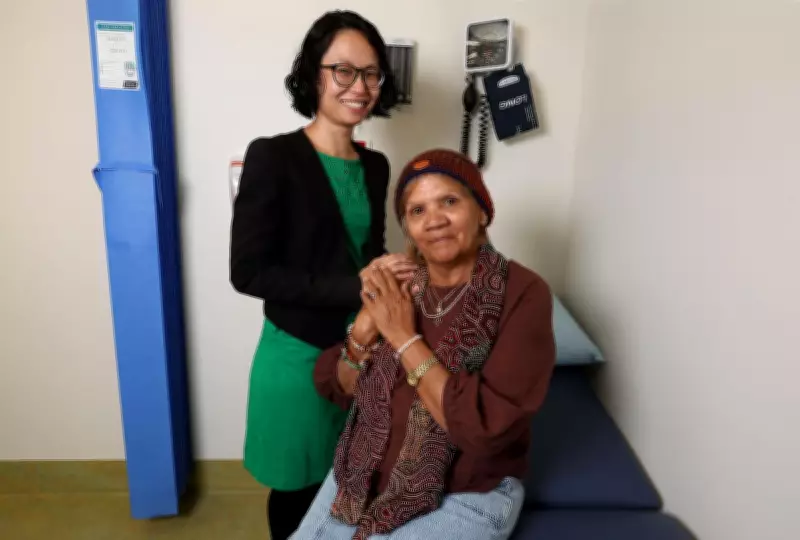
A groundbreaking clinical trial at Fiona Stanley Hospital is offering new hope to patients with rare blood cancers through a one-off treatment that could transform their prognosis. The trial, which is the first of its kind in Western Australia, focuses on a novel therapy known as CAR T-cell therapy, which harnesses the patient's own immune system to fight cancer.
How the therapy works
CAR T-cell therapy involves extracting a patient's T-cells, a type of white blood cell, and genetically modifying them in a laboratory to recognise and attack cancer cells. The modified cells are then infused back into the patient, where they multiply and target the malignancy. This approach has shown remarkable success in treating certain blood cancers, such as lymphoma and leukaemia, but has not been widely available for rare subtypes.
Eligibility and trial details
The trial at Fiona Stanley Hospital is open to patients with rare blood cancers who have exhausted standard treatment options. According to lead researcher Dr. Michaela Smith, the therapy offers a potentially curative option for individuals who previously had few alternatives. “We are incredibly excited to offer this treatment to patients who have been battling these rare cancers with limited success,” she said.

Participants in the trial will receive a single infusion of the modified T-cells, followed by close monitoring for side effects, which can include cytokine release syndrome and neurological symptoms. The hospital has established a dedicated unit to manage these complications.
Impact on patients and the healthcare system
If successful, the trial could pave the way for broader access to CAR T-cell therapy in Australia. Currently, the treatment is expensive and logistically complex, but researchers hope that demonstrating its efficacy in rare cancers will encourage government funding and support. For patients like John, a 45-year-old father of two who was diagnosed with a rare form of non-Hodgkin lymphoma, the trial represents a lifeline. “I had run out of options, and this trial gave me a chance to fight again,” he said.
Future directions
The trial is expected to run for two years, with results published in peer-reviewed journals. If outcomes are positive, the therapy could be expanded to other rare blood cancers and potentially to solid tumours. Dr. Smith emphasised that this is just the beginning. “We are laying the groundwork for a new era in cancer treatment, where personalised medicine becomes the standard of care,” she said.
The initiative has been supported by the WA Department of Health and various philanthropic organisations, highlighting the collaborative effort required to bring such innovative therapies to patients.