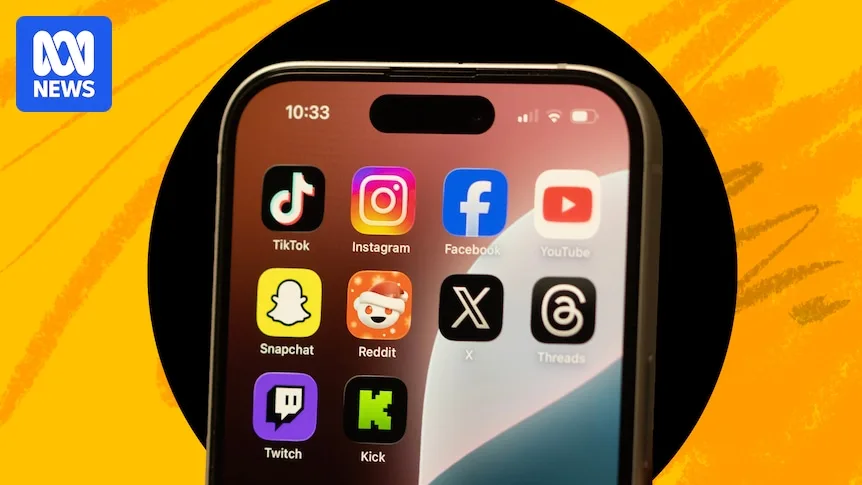
Two months into Australia's world-first social media ban for under-16s, many teenagers report that the policy has had little impact on their online lives. Adyan, 14, said the ban was 'chill' and that he easily bypassed age verification by using a friend's driver's licence to regain access to Instagram after his account was initially banned. He noted that Snapchat and TikTok did not block him after a face scan confirmed he was over 16.
Other teenagers shared similar experiences. Evie, 15, from Adelaide, said she never received a warning because she had set her birth year to 2007 when creating her accounts. Alby, 14, observed a new market where younger users pay older friends or parents to complete ID scans for them. He personally faced no bans or ID scans.
Anabell, 15, was among a minority who were actually banned. She estimated that only about 10 per cent of under-16 users were affected, and half of those regained access by using others' identification. She expressed frustration that younger users remained active while she was locked out.

Government data shows that more than 4.7 million under-16 accounts were deactivated or removed since the ban took effect. Meta removed 173,000 users from Facebook and 330,000 from Instagram, while Snapchat locked or disabled over 415,000 accounts. However, it is unclear if these figures account for reactivated or new accounts.
Snapchat acknowledged technical limitations in age verification, stating its age estimation technology is accurate only to within two to three years on average. The platform disagreed with the ban, arguing that cutting teens off from connections does not make them safer or happier.
Ilia, 14, from Sydney, was removed from social media and has not tried to regain access. He described the adjustment as significant, noting that social media was once an important part of his life.