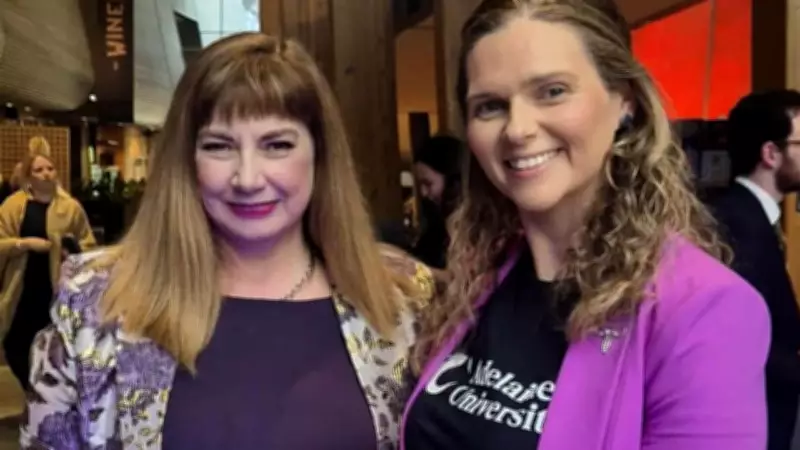
An Australian researcher has developed groundbreaking artificial intelligence technology that could slash endometriosis diagnosis times from six-and-a-half years to under 12 months. Associate Professor Jodie Avery, a public health researcher and Research Co-Lead of Chronic Reproductive Diseases at the Robinson Research Institute, is leading the push to modernise detection methods.
How AI Is Changing Diagnosis
Professor Avery’s work focuses on using advanced imaging techniques, including transvaginal ultrasound and MRI scans, combined with machine learning to improve diagnostic accuracy. By training AI systems to recognise patterns across both imaging types, researchers can enhance detection without invasive surgery.
“We essentially use one imaging modality to teach the other what to look for,” Professor Avery explains. “That means a woman may eventually only need one scan, but with far more diagnostic value.”

Endometriosis affects around one in seven Australian women, while PCOS affects at least 13 per cent. Many women experience both conditions simultaneously. Currently, diagnosis often requires invasive surgery and takes an average of six-and-a-half years. The new AI approach aims to reduce that delay to less than one year.
Hidden Cases and Lack of Awareness
Professor Avery’s early findings highlight a major challenge: many women have endometriosis without realising it. In a screening study of 100 women with no known diagnosis, researchers found that 20 per cent had the condition despite reporting no symptoms. Others experience symptoms such as bloating or irregular periods but do not associate them with endometriosis.
“That lack of awareness is a huge issue,” Professor Avery says. “By the time some women are diagnosed – often when trying to conceive later in life – the condition may have already progressed.”
Earlier diagnosis can open the door to better long-term management strategies, including medical treatment, physiotherapy, and fertility planning options such as egg freezing. While there is currently no cure for endometriosis, early intervention can significantly improve quality of life.
Impact on Women’s Lives
The condition can be debilitating, particularly for younger women. Many miss school, university, or work due to severe pain and fatigue, often without formal recognition of their condition. “There’s still a legacy of dismissing women’s pain,” Professor Avery says. “Previous generations were often told severe period pain was normal. Now we know that’s not always the case.”
In South Australia, momentum is building for systemic change, including the potential development of specialised endometriosis care centres, expanded pelvic pain services, and increased funding for research and support programs. “A dedicated centre could provide imaging, medical care, physiotherapy, and psychological support all in one place,” she says. “It would also allow us to integrate research directly into patient care.”
A Personal Mission
Professor Avery’s motivation stems partly from her own experience with polycystic ovary syndrome and from meeting many young women living with endometriosis. “I’ve seen how much it can impact their lives, especially the pain and the uncertainty around fertility,” she says. “That’s something that really drives me – making sure women don’t have to go through that without answers or support.”
Her goal is to reduce the diagnostic delay from six-and-a-half years to less than one year, ensuring women are validated early and understand that their symptoms are real. “Through our work with imaging and artificial intelligence, my goal is to make diagnosis faster, less invasive, and more accessible, so women can get the vital answers they need much earlier,” she adds.