As the 2026 election cycle heats up, political campaigns are increasingly turning to artificial intelligence to create targeted advertisements. However, experts warn that without new regulations, these AI-generated ads could mislead voters and undermine democratic processes.
Rise of AI in Political Advertising
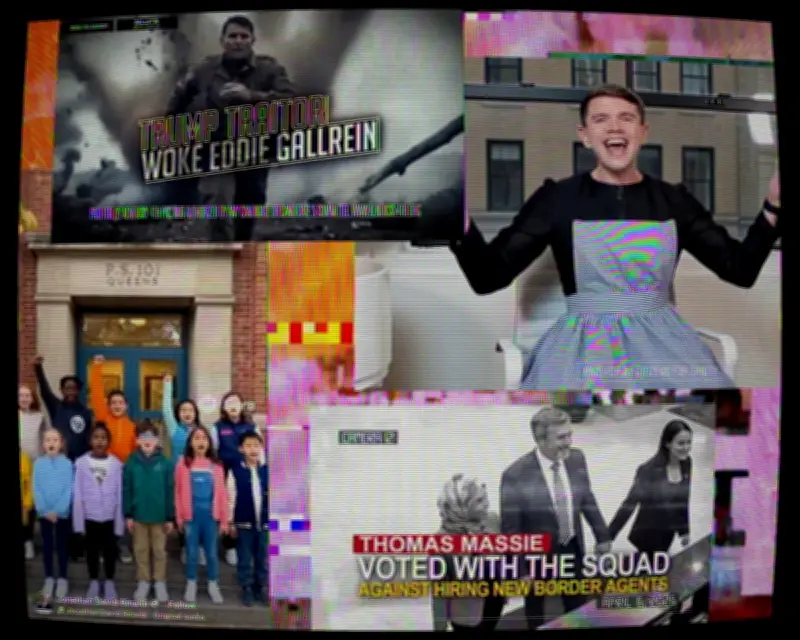
AI tools now allow campaigns to produce highly personalized ads that can alter a candidate's appearance, voice, or even fabricate events. According to a report from the Brennan Center for Justice, the use of AI in political ads has surged by 400% compared to the 2022 midterms.
"We are entering uncharted territory," said Dr. Sarah Johnson, a professor of digital media at MIT. "The ability to create convincing fake videos and audio means voters may not be able to distinguish fact from fiction."

Concerns Over Misinformation
One major concern is the potential for deepfakes to spread disinformation. A recent study by the University of Washington found that 60% of participants could not identify AI-generated political ads. This raises the risk of manipulated content influencing election outcomes.
"Without clear labeling, voters are left in the dark," added Johnson. "We need mandatory disclosure requirements for any AI-generated content in political advertising."
Calls for Regulation
Several advocacy groups are pushing for legislation that would require disclaimers on AI-generated ads. The Honest Ads Act, reintroduced in Congress, would mandate that any ad created with AI must include a notice. However, the bill has faced opposition from some tech companies and free speech advocates.
"We support innovation, but not at the expense of truth," said Senator Lisa Murkowski, a co-sponsor of the bill. "Voters deserve to know when they are watching something that was created by a machine."
Platform Responsibility
Social media platforms are also under pressure to act. Facebook and YouTube have implemented policies requiring disclosure of AI-generated content, but enforcement remains inconsistent. A 2025 audit by the nonprofit Avaaz found that 30% of AI-generated political ads on Facebook lacked proper labeling.
"Platforms must do more to prevent the spread of deceptive content," said Avaaz campaign director Alex Smith. "Self-regulation is not enough."
Impact on Voter Trust
The proliferation of AI ads could further erode trust in political institutions. A Pew Research Center survey from June 2026 found that 72% of Americans are concerned about the impact of AI on the 2026 elections. "If people can't trust what they see and hear, democracy suffers," said Johnson.
As the debate continues, some states are taking matters into their own hands. California and New York have passed laws requiring AI disclosure in political ads, while other states consider similar measures.
Looking Ahead
Experts emphasize that time is of the essence. "The technology is evolving faster than our laws," said Johnson. "We need to act now to protect the integrity of our elections."
With the election just months away, the push for regulation is likely to intensify. Whether through federal legislation or platform policies, the goal remains the same: ensuring that voters can make informed decisions based on facts, not fabrications.