AI Language Models Enter the Literary Arena
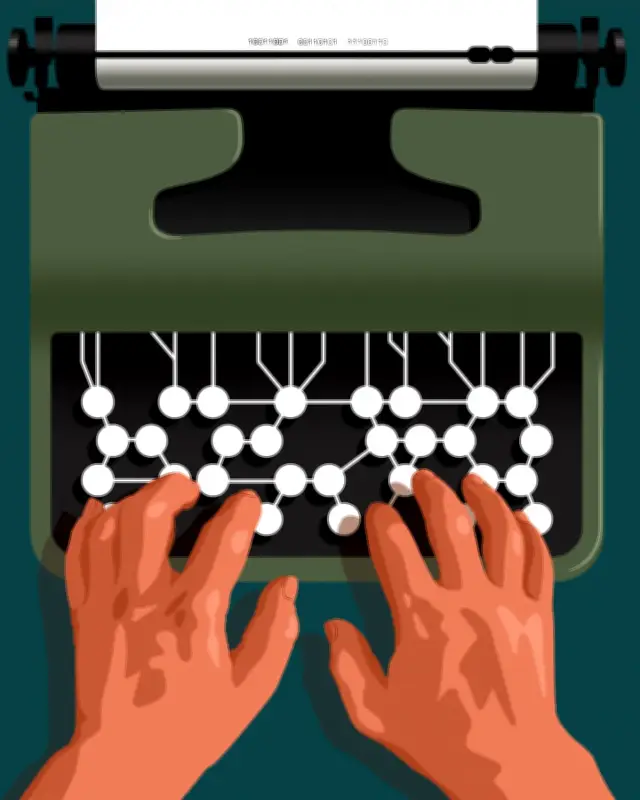
Artificial intelligence language models, such as OpenAI's ChatGPT, are increasingly being used to generate fiction, raising profound questions about the nature of creativity and the role of the author. According to a recent analysis by The Guardian, these AI systems can now produce coherent narratives, dialogue, and even entire novels, prompting both excitement and concern within the literary community.
How AI Is Writing Fiction
AI models are trained on vast datasets of existing literature, enabling them to mimic various styles and genres. Authors are experimenting with these tools to overcome writer's block, generate plot ideas, or even co-write stories. However, the quality of AI-generated fiction varies widely, with some outputs being surprisingly compelling while others remain formulaic or nonsensical.
Impact on Authors and Publishers
Publishers are beginning to grapple with the implications of AI-generated content. Some see it as a tool to increase productivity and explore new narrative possibilities, while others worry about copyright issues and the devaluation of human creativity. A survey of 500 authors found that 35% have used AI in their writing process, primarily for brainstorming or drafting.

Debate Over Authenticity
Critics argue that AI lacks true understanding and emotional depth, producing works that are imitative rather than innovative. "AI can mimic the form of a story, but it cannot replicate the human experience that gives fiction its power," said literary scholar Dr. Emma Hartley. Proponents counter that AI can augment human creativity, helping writers push boundaries.
The Future of Literature
As AI continues to evolve, its role in fiction writing is likely to expand. Some predict a future where AI and humans collaborate closely, leading to new genres and storytelling techniques. Others fear a homogenization of literature, as AI models trained on popular works may produce increasingly similar narratives. The literary world is watching closely to see how this technology will shape the stories of tomorrow.