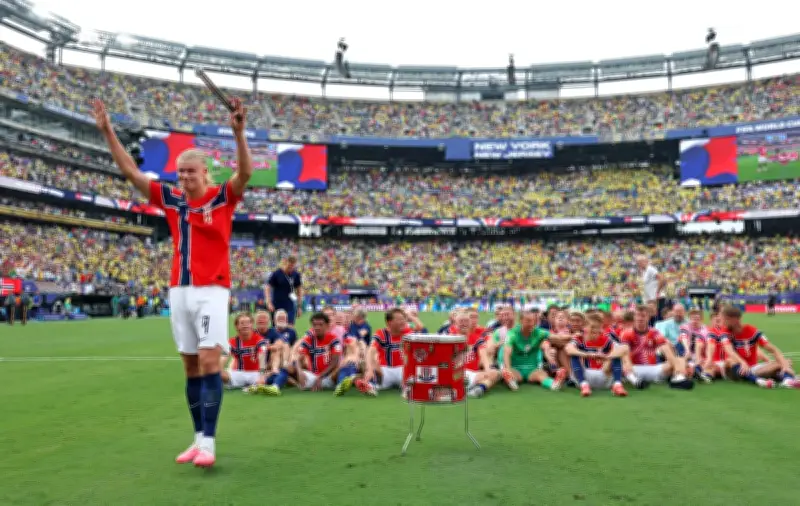
Norway's stunning 2-1 victory over Brazil in the 2026 World Cup round of 16 is the culmination of a radical youth sports philosophy that prioritizes fun, equal play, and long-term development over early specialization and winning at all costs.
The Norwegian Model: Fun First, Winning Later
Since the late 1980s, Norway has systematically reformed youth sports, particularly football. The Norwegian Football Federation (NFF) and the government implemented policies that banned national rankings for children under 13, eliminated trophies and medals for kids under 12, and required that all children play at least 50% of available game time. The goal was to keep children engaged in sports longer and prevent burnout.
According to a 2023 study by the Norwegian Institute of Sport Sciences, 93% of Norwegian children participate in organized sports at some point, and the dropout rate in football is among the lowest in Europe. The focus on fun and inclusion has produced a generation of technically skilled, creative, and resilient players.

From Philosophy to Victory
The current Norwegian national team features several players who grew up under this system. Erling Haaland, the star striker, credits the youth setup for fostering his love of the game. "I never felt pressure to win as a kid. We just played and had fun. That made me want to keep playing," he said in a 2025 interview.
Against Brazil, Norway's disciplined defensive structure and quick counter-attacks neutralized Brazil's star-studded lineup. The winning goal came from a 19-year-old substitute, Andreas Schjelderup, who dribbled past three defenders before slotting home. Schjelderup is a product of the NFF's 'Play and Develop' program, which emphasizes small-sided games and ball mastery drills from an early age.
Global Impact and Criticism
Norway's success has sparked debate worldwide. Critics argue that the model works only because of Norway's small population (5.5 million) and homogeneous culture. However, proponents point to similar results in other countries that have adopted fun-first policies, such as Iceland and New Zealand.
"The Norwegian model is not about being soft; it's about being smart," said Dr. Geir Jordet, a sports psychologist at the Norwegian School of Sport Sciences. "By delaying competition and focusing on skill development, you produce more well-rounded players who can think for themselves on the pitch."
What's Next for Norway?
Norway will face Argentina in the quarter-finals. Regardless of the outcome, the team has already achieved its best World Cup result since 1998. The victory over Brazil has cemented Norway's reputation as a footballing nation that has cracked the code for developing talent without sacrificing joy.
As the final whistle blew, Norwegian players celebrated with their fans, many of whom had traveled from Oslo. For them, the win was not just about football—it was validation of a national philosophy that puts children's happiness first.