WA Coastal Drowning Numbers Show Significant Decline, Yet Safety Warnings Intensify
Western Australia has witnessed a notable reduction in coastal drownings this summer, with fresh data revealing an eight-person toll—a 43 per cent drop compared to the previous season. This decline aligns with a broader national trend, as Surf Life Saving Australia reported 50 coastal drownings across the country, marking a 21 per cent decrease from last year's 63 incidents and falling 14 per cent below the five-year average of 58.
State-Specific Statistics Highlight Persistent Risks
Of the national fatalities, eight occurred in Western Australia, representing not only the 43 per cent year-on-year reduction but also an 11 per cent decrease from the five-year average. However, Surf Life Saving WA general manager Chris Peck cautioned against interpreting these figures as a cause for celebration. He emphasized that the ocean remains "the most dangerous environment you can go into," with conditions capable of shifting rapidly.
"It sounds like it's a lot less drownings, but what we do know is that there's still a lot of drownings, and most are happening at locations where there aren't patrols," Mr Peck stated. He highlighted that up to 63 per cent of WA drownings took place at unpatrolled waterways, with males accounting for nearly 90 per cent of fatalities.

Preventative Efforts and Tragic Incidents Underscore Urgency
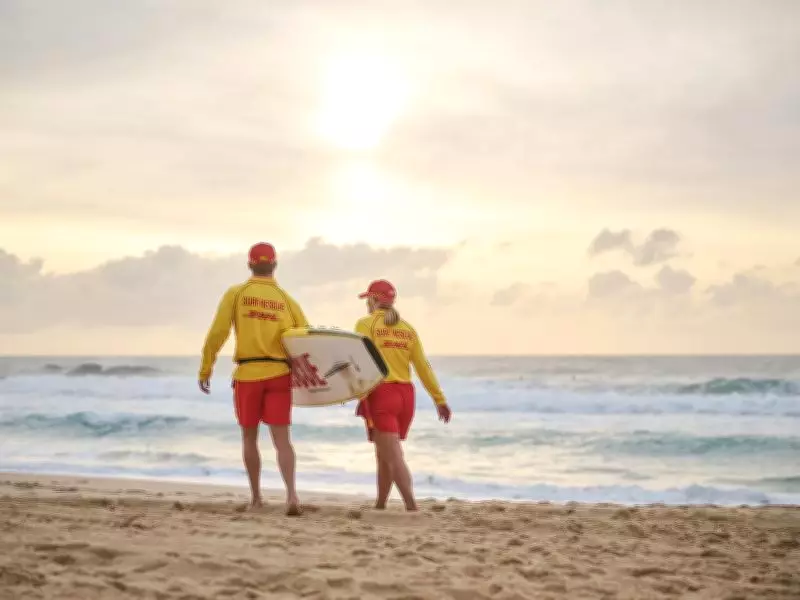
Throughout the summer, Surf Life Saving WA conducted 94,938 preventative actions, administered 1,364 first aid treatments, and executed 503 rescues. These efforts saved swimmers from 44 critical injuries and rescued 74 lives. Mr Peck explained that lifesavers are proactively engaging with beachgoers to mitigate risks before emergencies arise.
"Surf lifesavers are getting on the front foot and talking to people before they go into locations that may be a little bit risky, where there might be rips or dangerous surf conditions," he said. Despite these measures, tragic incidents persisted, including the death of a 12-year-old girl at Trigg Beach, a crayfish diver found at Fence Reed Beach, and a 40-year-old man who drowned at Mettams Pool on Australia Day.
National Context and Upcoming Awareness Initiatives
Across Australia, New South Wales recorded the highest number of coastal drownings at 19, followed by Queensland (9), Victoria (6), South Australia (4), Tasmania (3), and the Northern Territory (1). Surf Life Saving Australia national research manager Dr. Jaz Lawes reiterated the importance of swimming between red and yellow flags, noting that each drowning is preventable with proper water safety prioritization.
"No one plans to get into trouble and conditions can change in an instant," Dr. Lawes said. "The biggest tragedy is that this happens every summer and each of these coastal drowning deaths could have been prevented by making water safety a priority and taking a minute to make the safest choice."
In support of these efforts, Surf Life Saving Australia will launch its inaugural Red and Yellow Day on March 4, aimed at recognizing the work of surf lifesavers and raising awareness for water safety. Dr. Lawes described it as an opportunity for the community to express gratitude and support for these essential volunteers.
Mr Peck concluded with a stark reminder: "If you're at a beach at a time where there aren't red or yellow flags, you're putting yourself at risk. You don't even need to be the best aquatic user; you can still get in trouble." He urged the public to heed warnings and choose patrolled beaches to ensure a safe return home.