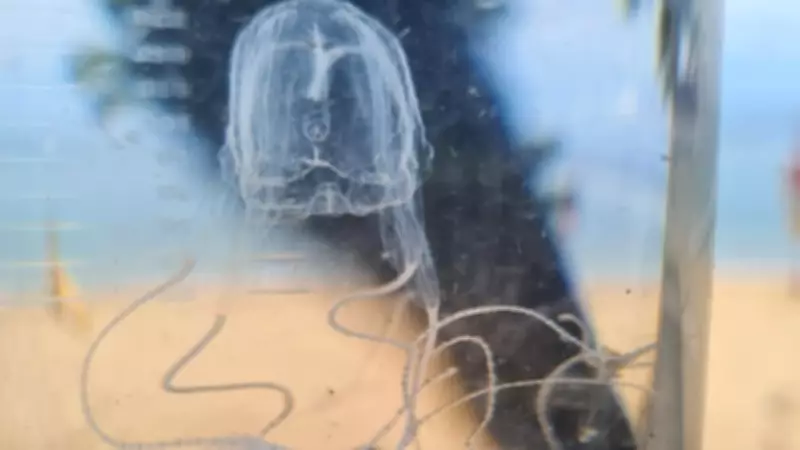
Horseshoe Bay Stinger Net Shut Down Following Suspected Irukandji Jellyfish Incident
In a concerning development for beachgoers in North Queensland, the stinger net at Horseshoe Bay on Magnetic Island has been closed after a suspected Irukandji jellyfish sting. This incident has sparked immediate safety measures and heightened awareness as the region navigates the peak of the marine stinger season, which typically runs from November to May.
Details of the Suspected Sting and Immediate Response
Authorities reported that a swimmer experienced symptoms consistent with an Irukandji sting while within the protected area of the stinger net at Horseshoe Bay. In response, local lifeguards and emergency services swiftly closed the net to prevent further risks to public safety. The affected individual received prompt medical attention, and while specific details about their condition remain confidential, such stings are known to cause severe pain, nausea, and in rare cases, life-threatening complications.
This closure underscores the unpredictable nature of marine stingers in Australian waters, particularly in tropical regions like Townsville, where Irukandji jellyfish are a known hazard. The nets are designed to offer a safe swimming environment by keeping larger box jellyfish and other dangerous species at bay, but smaller creatures like Irukandji can sometimes penetrate these barriers.

Broader Implications for Swimmer Safety and Community Awareness
The incident at Horseshoe Bay serves as a stark reminder for residents and tourists alike to exercise caution when enjoying coastal activities. Local officials are urging the public to adhere to safety guidelines, which include wearing protective stinger suits, swimming only within designated netted areas when open, and heeding warning signs posted at beaches. Regular monitoring and maintenance of stinger nets are crucial, but as this case shows, they are not foolproof against all marine threats.
In light of this event, community discussions have reignited about the effectiveness of current stinger prevention methods and the need for ongoing research into marine safety technologies. Townsville, with its vibrant tourism industry and active outdoor lifestyle, relies heavily on such measures to protect its visitors and locals from potential dangers in the water.
As the stinger season progresses, authorities will continue to assess the situation at Horseshoe Bay and other popular swimming spots. Updates on net reopenings and safety advisories are expected to be communicated through local channels, ensuring that everyone can make informed decisions about their beach outings.