Swimmers Confront Shark Fears on Australia Day Amid Multiple Beach Closures
Multiple shark sightings along the Central Coast prompted beach closures and heightened anxiety among swimmers on Australia Day, with several popular locations evacuated as a precaution. The incidents occurred amid a summer season that has seen increased shark activity in New South Wales coastal waters, leading to both concern and resilience from beachgoers.
Australia Day Sightings Force Evacuations
A shark sighting at Blue Bay near The Entrance around 10:30am led lifesavers to evacuate the water and close the beach for approximately one hour. This followed another sighting from Tomaree Head at Zenith Beach in Port Stephens earlier in the day. On the previous Sunday, a three-metre bull shark was observed close to shore at Shoal Bay, while two surfers reported a shark at Lakes Beach in Budgewoi at about 10:15am.
Surf Life Saving NSW protocols were activated, with a land and drone search conducted at Lakes Beach. When no shark was found, the beach reopened after an hour. Regular swimmer Mark Gordon, who ventured into the water at Lakes Beach on Australia Day, acknowledged the risks but remained undeterred.

"It's scary, but I go in. I love it too much," Mr Gordon said, noting that murky water conditions could attract bull sharks. He also mentioned that Terrigal beach had been closed and reopened over the weekend due to similar sightings.
Surfers and Swimmers Weigh the Risks
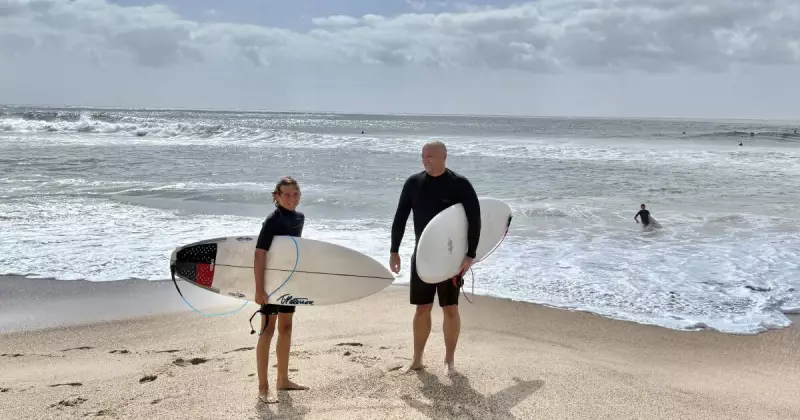
Despite the warnings, almost twenty surfers took advantage of favourable south-westerly winds and 1.5-metre waves at Lakes Beach around 10:30am on Australia Day. Among them were Chris Sutherland and his thirteen-year-old son Zayne, who adopted a pragmatic approach to the danger.
"I just try not to think about it," Mr Sutherland said. "It's a small risk. I've been surfing for 35 years and I've seen five sharks in all that time."
Other beachgoers expressed more caution. Leanne Hutchinson admitted she now limits her time in the water due to safety concerns.
"I look at the surfers and think 'oh you're brave'. I hardly go for a swim anymore. If I do, I'm in and out. I just cool off. I don't stay in because I feel unsafe," Ms Hutchinson said.
Recent Attacks Heighten Community Anxiety
The sightings come in the wake of four shark attacks at NSW beaches within a 48-hour period earlier this month, which have significantly increased public anxiety. Tragically, twelve-year-old Nico Antic died after an attack at Shark Beach near Vaucluse, while twenty-seven-year-old Andre de Ruyter required a lower leg amputation following an incident near Manly beach.
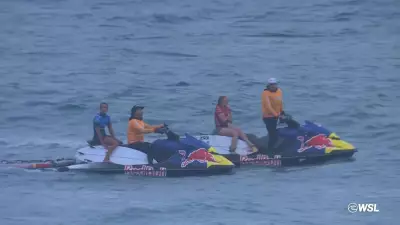
Hunter Surf Life Saving president Henry Scruton confirmed that additional resources were deployed on Australia Day, including inflatable rescue boats, jet skis, and drones. He noted that while Sydney had experienced increased shark presence due to dirty water from recent rainfall, the Hunter region had been "pretty fortunate" this summer.
"The water is still reasonably clean. We have the same number of big fish that we normally see per season," Mr Scruton said, acknowledging that Tea Gardens and Redhead beaches had been closed a couple of times but describing the activity as nothing "out of the ordinary."
Enhanced Surveillance and Historical Patterns
Surf Life Saving NSW announced on Sunday that Bar Beach, Dixon Park, and Merewether would join existing shark surveillance locations including Nobbys, Redhead, Catherine Hill Bay, Fingal Bay, and Birubi Point. These beaches will now be monitored with drones as part of enhanced safety measures.
Historical research from the CSIRO, conducted between 2007 and 2013, tracked great white sharks swimming along the coast from Lake Macquarie to Seal Rocks. The study found these sharks were particularly abundant in Port Stephens coastal waters from approximately September to January each year, with specific residency along three beaches: northern Stockton, Bennetts Beach at Hawks Nest, and Mungo Brush.
Safety Advice for Beachgoers
Surf Life Saving NSW continues to urge the public to follow essential safety guidelines to minimise risks:

- Avoid swimming at dawn, dusk, and during night hours
- Stay away from murky, dirty water
- Avoid areas with effluent or sewage discharge
These precautions are particularly important during the summer months when shark activity typically increases along the NSW coastline.