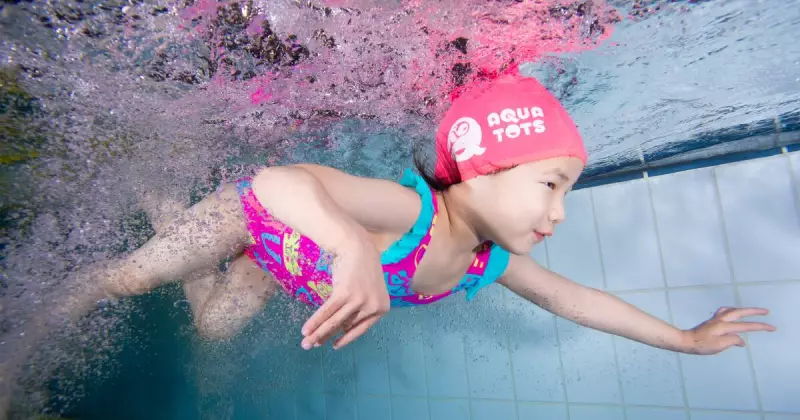
For a nation girt by sea and dotted with inland waterways, swimming transcends recreation to become an essential life skill. With countless homes featuring backyard pools and communities nestled near beaches, rivers, and lakes, Australian children grow up in an environment where water is ever-present. Ensuring they can navigate it safely is a paramount responsibility for families across the country.
The Sobering Reality of Child Drowning
Recent insights from Aquatots Swim School's own drowning report underscore a grave and ongoing concern. Drowning persists as a leading cause of accidental death for young children, with a significant number of these incidents occurring not in unfamiliar locations, but in home pools or during routine activities near water. This highlights a critical gap between the perceived safety of familiar settings and the very real risks they can pose.
"Swimming is about confidence, awareness and knowing how to respond if something unexpected happens in the water," said Alena Sarri, director of Aquatots Swim School. "Those skills can make a life-saving difference." The encouraging news within this sobering context is that many such tragedies are preventable. Formal, structured swimming instruction plays a fundamental role in dramatically reducing this risk.

Building Skills Beyond the Pool
Quality swimming lessons focus on imparting practical, repeatable competencies that children can recall under pressure. This education goes far beyond swimming laps. Instructors teach vital techniques such as how to enter and exit water safely, float to breathe, move with control, and ultimately return to a point of safety. These are universal skills applicable in both the controlled environment of a pool and the variable conditions of open water.
"We focus on practical, repeatable skills that children can rely on under pressure," Ms. Sarri emphasised. "It's not about swimming laps; it's about knowing what to do when it matters." The goal is to develop strong, automatic responses that become second nature, a process that requires consistent practice over time.
The benefits of learn-to-swim programs also extend well beyond direct water safety. Participation supports overall childhood development, enhancing physical strength, coordination, and cardiovascular fitness. It aids sensory integration and balance. For infants and toddlers, lessons offer valuable bonding time with parents, while older children gain from the social interaction, teamwork, and confidence built by progressing through skill levels alongside their peers.
Consistency is the Key to Safety
A critical message from swim schools like Aquatots is that swimming education is most effective when it begins early and is maintained consistently throughout the year. Skills, particularly in younger children who are still developing physically and cognitively, can fade without regular reinforcement. "We often remind families that great summer swimmers are made in winter," Ms. Sarri noted. "Consistency is key to building strong, automatic responses in the water."
It is also vital to view swimming lessons as one crucial layer in a multi-faceted approach to water safety, not as a standalone solution. This protective strategy must include active adult supervision, compliant pool fencing, the use of life jackets where appropriate, and ongoing water awareness education for the whole family. Together, these measures create a comprehensive safety net.
As Australians continue to embrace their unique aquatic lifestyle, investing in quality, consistent swimming education remains one of the most powerful and proactive steps parents and communities can take. It is an investment that equips children not just for enjoyment, but with the competence and confidence that safeguards their lives today and long into the future.