Matildas Star Mary Fowler Credits Australian Heat for Knee Recovery Ahead of Asian Cup
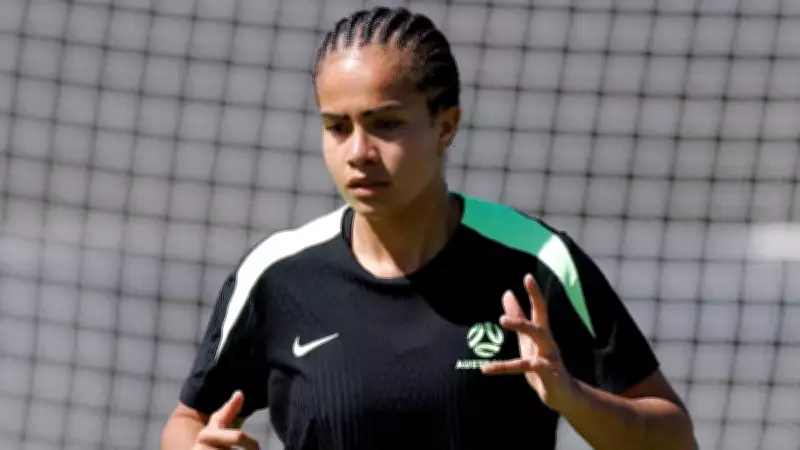
Matildas forward Mary Fowler has revealed that Australia's warm climate is playing a crucial role in helping her recover from a serious knee injury, describing how the heat is helping to defrost her "frozen" knees. The talented attacker, who spent nine-and-a-half months on the sidelines after tearing her anterior cruciate ligament while playing for Manchester City in April last year, believes her time away from the game provided a necessary mental break.
Return from Injury and Asian Cup Campaign
Fowler made her return to competitive football as a 75th-minute substitute in Manchester City's 5-1 FA Cup victory over Chelsea in early February. After spending another three weeks on the sidelines following that appearance, she earned her first start last weekend. Although she acknowledges she's still building match fitness, Fowler is confident she can make a significant impact as Australia begins its Women's Asian Cup campaign against the Philippines at Optus Stadium on Sunday.
"After getting my first minutes against Chelsea, I then had a few little bumps along the road, so I missed a couple of games," Fowler explained. "But then on the weekend I got to get my first start. So that was really good for the confidence and really good to just see how the body feels during a game, but also pulling up afterwards."

The 21-year-old, who has scored 16 goals in 63 appearances for the Matildas, sees the Australian conditions as particularly beneficial for her recovery. "I feel good being here. And I think the heat's really going to help because half the issue's my knees being frozen. So just excited to be out there," she added.
Mental Refresh and New Perspective
Fowler, who announced herself as a future star with dazzling performances at the 2023 Women's World Cup when she was just 20, admitted that the constant grind of professional football had taken its toll before her injury. The spotlight and daily routine had made it challenging to maintain her joy for the game.
"Because I've been playing football for so many years it becomes such a routine," Fowler told CommBank Newsroom during an interview. "I think it's easy to lose the joy in it when you're just doing the same thing over and over again. And I think not having heaps of time off makes it harder to stay as fresh and energetic, coming into work every day and trying to perform."
The injury period provided an unexpected opportunity for reflection and renewal. "So I think for me, whenever I've had time away from the sport, it's always given me a fresh perspective on how lucky I am to be playing it and doing it as a job. So having this time out it's allowed me to just mentally also have a bit of a break," she said.
Rehabilitation and Personal Growth
Going through the rehabilitation process gave Fowler a new appreciation for her body's capabilities and the support system around her. "It's just opened my eyes to so many little things my body does and it's made me more grateful for that," she reflected. "The girls at Manchester City - I love being around them as well. And so since coming back everyone's just been so excited for me and that's been heartwarming as well."
During her recovery period, Fowler also found time to work on personal projects, including releasing a book titled Bloom: Creating a Life I Love. In the book, she shares her own struggles with mental health, hoping her experiences will help others on their personal journeys.
"I think I've just had a good nine months out of it where I've been able to switch off from football and enjoy stuff outside of it as well," Fowler concluded. "And now I just feel really ready to be back in it."
As the Matildas prepare for their Asian Cup campaign, aiming to win the tournament for the first time since 2010, Fowler's return provides a significant boost to the team's attacking options. Her combination of refreshed perspective and physical recovery could prove crucial in Australia's quest for continental glory.