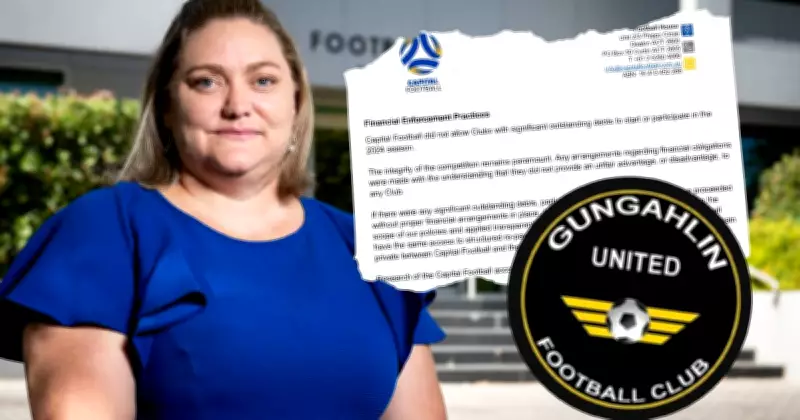
Capital Football CEO Samantha Farrow Denied Gungahlin Debts in Letter a Year Ago
In a revelation that has stirred the local soccer community, Samantha Farrow, the Chief Executive Officer of Capital Football, wrote a letter approximately one year ago denying any debts owed to Gungahlin United Football Club. This disclosure comes amid escalating financial disputes and tensions within the region's sporting administration, raising questions about transparency and accountability in managing club finances.
Details of the Letter and Its Contents
The letter, which has recently surfaced in public reports, was addressed to representatives of Gungahlin United and explicitly stated that Capital Football did not acknowledge any outstanding financial obligations to the club. Sources indicate that the correspondence was part of ongoing discussions regarding funding, sponsorship, and operational costs, with Gungahlin United alleging significant unpaid amounts over previous seasons.
Samantha Farrow, who has led Capital Football since her appointment, emphasized in the letter that all financial matters were being handled in accordance with established protocols and that there were no valid claims against the organization. However, critics argue that this denial contradicts other evidence and complaints from club officials, who report struggling with budget shortfalls and delayed payments affecting player development and facility maintenance.

Background on the Financial Disputes
Gungahlin United, a prominent club in the Australian Capital Territory, has been vocal about financial challenges, citing issues with funding distributions from Capital Football. The club claims that debts have accumulated over time, impacting their ability to support grassroots programs and compete effectively in leagues. This situation is not isolated, as other clubs in the region have also expressed concerns over financial management and resource allocation.
The emergence of Farrow's letter adds a new layer to these disputes, suggesting a potential disconnect between administrative statements and the on-ground realities faced by clubs. Stakeholders, including players, coaches, and fans, are calling for greater clarity and resolution to ensure the sustainability of local soccer.
Implications for Capital Football and Local Soccer
This incident could have broader implications for Capital Football's reputation and operations. As the governing body for soccer in the ACT, it plays a crucial role in fostering the sport's growth and supporting clubs. The denial of debts in the letter may lead to increased scrutiny from regulatory bodies and the public, potentially affecting future funding and partnerships.
Moreover, the ongoing financial disputes highlight systemic issues within sports administration, such as the need for improved communication and fair financial practices. Experts suggest that transparent audits and collaborative discussions between Capital Football and clubs like Gungahlin United are essential to rebuild trust and ensure the long-term health of the sport in the region.
Looking Ahead: Potential Resolutions and Next Steps
In response to the reports, Capital Football has issued a statement reaffirming its commitment to supporting all clubs and addressing financial matters through proper channels. Samantha Farrow has not publicly commented on the specific letter, but the organization indicates that it is reviewing the situation and engaging in dialogue with affected parties.
Moving forward, key steps may include:
- Conducting an independent financial review to assess claims and debts accurately.
- Establishing clearer guidelines for funding and payment processes to prevent future disputes.
- Enhancing communication between Capital Football and member clubs to foster a more cooperative environment.
The outcome of these efforts will be closely watched by the soccer community, as it could set a precedent for how similar issues are managed in Australian sports administration. For now, the focus remains on resolving the immediate financial concerns and ensuring that clubs like Gungahlin United can thrive without undue financial burdens.