Cross-Code Infatuation: The Million-Dollar Risk Engulfing Rugby
What lengths would a sporting organisation go to for the chance at a million-dollar prize or, in this case, a Rugby World Cup victory? The question echoes a classic Simpsons episode, where Mr. Burns recruits baseball pros to win a softball game, leaving Homer Simpson benched. In Australian rugby, a similar high-stakes drama is unfolding as rugby union aggressively pursues rugby league converts, sparking debates over risk, reward, and regional biases.
The Wallabies' Recruitment Gamble
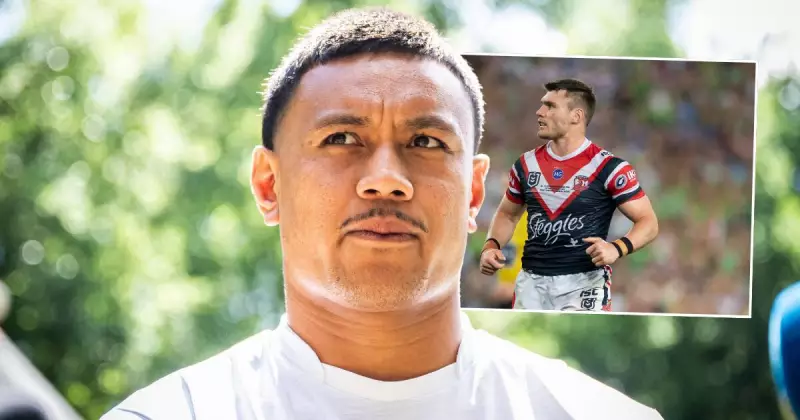
With the Rugby World Cup set for Sydney next year, the pressure is on to transform Australia's fortunes after a disappointing group-stage exit four years ago. The focus has turned to players like Angus Crichton, a Sydney Roosters star and State of Origin back-rower, who is now being sized up for the Wallabies' No.12 jersey. This move comes despite Len Ikitau, the reigning John Eales Medallist, excelling in that very position after shifting to inside centre.
Crichton's potential signature with the NSW Waratahs fuels perceptions that Rugby Australia power brokers are strengthening Sydney-based teams, while the ACT Brumbies feel sidelined. Sources reveal the Brumbies were informed of Crichton's interest in rugby and inquired about bringing him to Canberra. However, with a young family, Crichton preferred to remain in Sydney, mirroring Carter Gordon's move to the Queensland Reds despite other clubs vying for his talents.

Brumbies' Resilience Amidst NSW Bias Fears
For Brumbies fans, concerns over NSW bias are nothing new, having carried a chip on their shoulder for decades. Yet, it's worth noting that Tane Edmed, the incumbent Wallabies flyhalf, is likely to wear the Brumbies' No.10 jersey in round one against the Western Force. Meanwhile, Ikitau, who rose to stardom at outside centre for the Brumbies, shifted positions to accommodate marquee recruit Joseph-Aukuso Suaalii's switch from rugby league.
Ikitau has made it clear he won't relinquish his Test jersey without a fight, regardless of the number on his back. After a stint with English club Exeter, he will return to the Brumbies next year, having spurned interest from the delayed R360 competition to pursue World Cup glory. His world-class skills set a high bar for any challenger, including Crichton.
A New Generation of Cross-Code Stars
Waratahs coach Dan McKellar envisions Crichton playing at inside centre in Super Rugby, potentially partnering Suaalii in the midfield. Crichton, who idolised cross-code legend Lote Tuqiri, represents a new wave of talent following in the footsteps of Tuqiri, Wendell Sailor, and Mat Rogers. That trio jumped from the NRL to chase a World Cup win on home soil in 2003, only to have their dreams dashed by Jonny Wilkinson's iconic drop goal.
The question now is whether this new generation can succeed where their predecessors fell short. Crichton's desire to play at the World Cup is palpable, as is that of Mark Nawaqanitawase, another Rooster poised to return to rugby union with a lucrative deal in Japan, reportedly worth close to $1.5 million annually.
Balancing Firepower and Existing Talent
In the Simpsons analogy, Homer Simpson ultimately pinch-hit for Darryl Strawberry, leading to a memorable victory. Similarly, rugby union must weigh whether its existing talent, like Ikitau and Edmed, is sufficient or if adding firepower through cross-code recruits is worth the million-dollar risk. The Brumbies, despite recruitment challenges, continue to showcase resilience, with key players ready to prove their mettle.
As the rugby world watches, this cross-code infatuation highlights broader themes of investment, loyalty, and the relentless pursuit of sporting excellence. Whether it ends in World Cup triumph or another near-miss, the stakes have never been higher for Australian rugby.