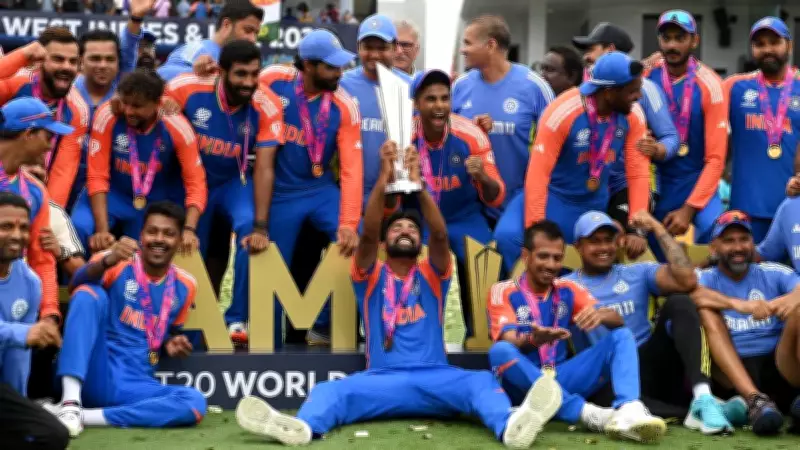
Pakistan Government Orders Cricket Team to Boycott India Match at T20 World Cup
In a dramatic move that has sent shockwaves through the international sporting community, Pakistan has announced it will boycott its highly anticipated T20 World Cup match against arch-rivals India. The decision, confirmed via an official government statement on social media, casts a shadow over the upcoming global tournament scheduled for February 2026.
Official Government Directive and Tournament Implications
The Pakistani government's official account on the X platform released a statement on Sunday, declaring, "The government grants approval to the Pakistan cricket team to participate in the ICC World T20 2026, however, the Pakistan Cricket Team shall not take the field in the match scheduled on 15th February 2026 against India." The post provided no specific reasons for this selective boycott, leaving the cricketing world to speculate on the underlying political motivations.
This decision carries significant consequences for the tournament's structure. Pakistan, which is scheduled to play all its group stage matches in Sri Lanka, would automatically forfeit two crucial points if it fails to appear for the India clash. However, greater uncertainty surrounds potential knockout stage scenarios, where the two nations could meet later in the competition. The International Cricket Council (ICC) now faces a complex logistical and diplomatic challenge.

Historical Context of India-Pakistan Cricket Relations
The boycott is the latest chapter in the long and fraught cricketing relationship between the two nuclear-armed neighbours. Bilateral cricket series between India and Pakistan have been suspended for years, a direct result of ongoing political tensions and military conflicts that nearly escalated into full-scale war last year. These strained relations have previously forced the ICC to implement special arrangements, allowing the teams to compete only at neutral venues during global tournaments hosted by either nation.
Pakistan's participation in the 20-team tournament, set to begin on February 7, was already conditional upon government approval, as indicated when their initial squad was announced. The India-Pakistan cricket clash is universally regarded as the sport's greatest blockbuster event, which is precisely why tournament organisers consistently place them in the same group during ICC competitions to maximise viewership and commercial interest.
ICC Response and Concerns for Global Cricket
The Dubai-based International Cricket Council has responded cautiously to the developing situation. In an official statement, the governing body confirmed it is awaiting formal communication from the Pakistan Cricket Board (PCB) regarding this "position of selective participation." The ICC expressed deep concern about the broader implications of Pakistan's decision.
"While the ICC respects the roles of governments in matters of national policy, this decision is not in the interest of the global game or the welfare of fans worldwide, including millions in Pakistan," the statement read. "The ICC hopes that the PCB will consider the significant and long-term implications for cricket in its own country as this is likely to impact the global cricket ecosystem, which it is itself a member and beneficiary of."
The ICC emphasised that delivering a successful tournament remains its top priority while urging the PCB to seek a "mutually acceptable resolution" that protects all stakeholders' interests. This diplomatic language underscores the delicate balance between respecting national sovereignty and preserving the integrity of international cricket.
Broader Pattern of Geopolitics Influencing Cricket
This incident is not an isolated case of geopolitical tensions affecting major cricket tournaments. In a similar precedent, Bangladesh was replaced by Scotland in a previous global event after refusing to travel to India over safety concerns. The current Pakistan-India standoff continues a pattern of soured relations that manifested during last year's Asia Cup in Dubai, where political undercurrents frequently overshadowed the sporting competition.

The boycott represents a serious blow to the T20 World Cup's prestige and commercial appeal, given that India-Pakistan matches typically attract hundreds of millions of viewers worldwide. As the cricketing community awaits further developments, questions remain about whether diplomatic channels can resolve this impasse before the tournament begins, or whether fans will be deprived of one of sport's most electrifying rivalries.