Cricket Australia is facing intense scrutiny and accusations of "playing with fire" over the state of its pitches, following the premature conclusion of two recent Ashes Test matches within just two days of play.
Short Tests Spark Widespread Criticism
The rapid finish to the series opener in Perth was initially attributed to underprepared batsmen, particularly within the England squad, which had a minimal lead-in campaign. However, the chaotic Boxing Day Test at the Melbourne Cricket Ground ignited a fresh wave of condemnation directed squarely at the playing surfaces.
The International Cricket Council delivered a damning assessment, rating the "unsatisfactory" MCG wicket as the worst in the world over the past two years. Even Cricket Australia's own chief executive, Todd Greenberg, acknowledged that such abbreviated Tests were detrimental to the sport's commercial interests, pledging future intervention to ensure higher-quality pitches.

Pucovski Points Finger at Domestic Decline
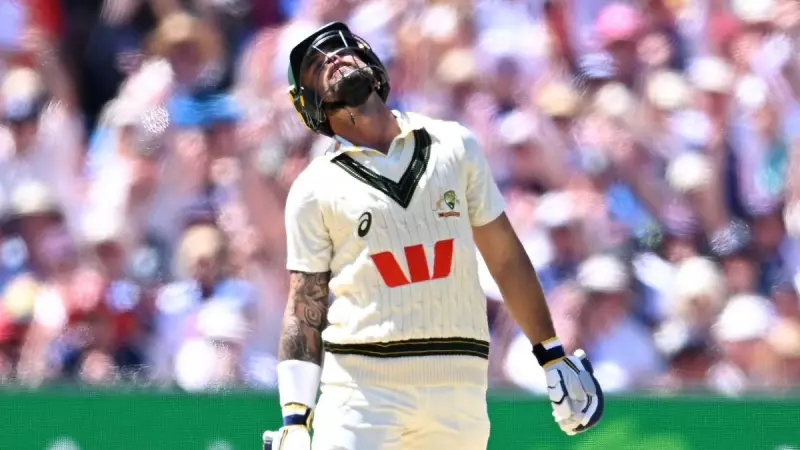
Former Test opener Will Pucovski has placed a significant portion of the blame on Cricket Australia's long-term approach to pitch preparation in domestic cricket. The retired batsman, whose career was cut short by concussions, offered a blunt critique.
"I think Cricket Australia have been playing with fire for quite a long period of time when it comes to the pitches," Pucovski stated on Channel 7's The Spin. "I think Shield pitches have been declining, particularly from a batting point of view."
He believes this decline has been evident for four or five years, driven by an excessive emphasis on securing results in the Sheffield Shield through the deliberate creation of "bowler-friendly" wickets to force conclusions within four days.
"They've been playing with fire for a long time," he reiterated. "And I'm actually glad this has happened where they've almost been embarrassed to a degree... This might be sort of the kick in the backside they need."
Beyond Grass Length: A Technical Crisis
Pucovski argues the issue runs deeper than simply leaving too much grass on the pitch, as was infamously the case with the 10mm at the MCG. He contends that curators are still mastering how to properly prepare modern drop-in wickets to facilitate a natural deterioration over five days, which in turn is ruining batting techniques.
"What this is encouraging in turn is players are bringing this aggressive method to batting," he explained. "I feel really sorry for them, especially young batters coming through, you just have no chance."
The financial repercussions are substantial, with tens of millions of dollars in revenue lost across the Perth and Melbourne venues, ensuring CA will take some notice.
A Broader First-Class Dilemma
The controversy highlights a wider existential challenge for traditional first-class competitions like the Sheffield Shield and England's County Championship. Both have been marginalised by the rise of T20 leagues and are experimenting with formats, such as day-night rounds and different ball types, in a bid to stay relevant.
This has sparked a fundamental debate about their core purpose. As ECB high performance boss Ed Barney noted, the domestic game must choose between being a production line for Test cricketers or a competitive product for its own context, acknowledging the difficulty in having both coexist perfectly.
Cricket Australia, which has also adjusted competition points systems to promote results, now faces the urgent task of balancing the need for compelling cricket with the imperative to produce Test-ready batters on sustainable pitches.