Justin Langer: AFL Origin Exposes the Heart of State Representation
In a powerful reflection on modern sports culture, former Australian cricket coach Justin Langer has drawn a stark contrast between the raw passion of state-based competitions and the commercialised world of franchise leagues. His insights come after witnessing the recent AFL State of Origin match, where Western Australia faced Victoria at Optus Stadium.
The Tribal Intensity of State of Origin
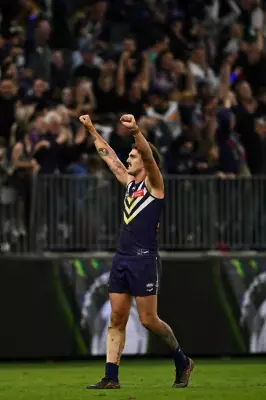
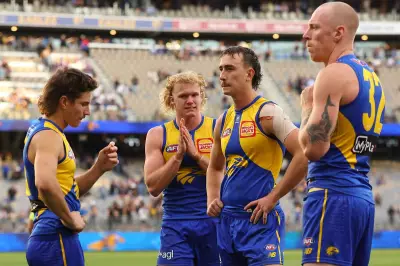
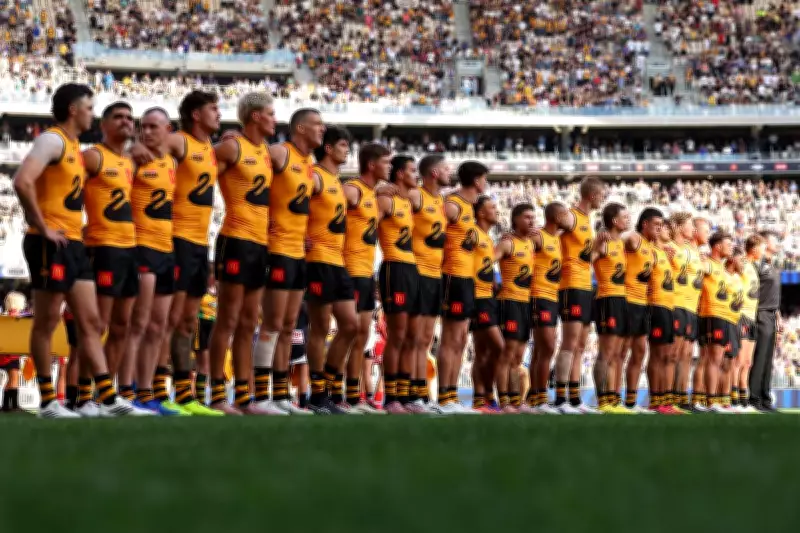
Last Saturday night, a crowd of 58,141 fans filled Optus Stadium, with millions more watching on television, as Western Australia took on Victoria in the first AFL State of Origin clash in over 25 years. While Victoria secured a 24-point victory, Langer emphasises that the scoreboard barely scratched the surface of the event's significance.
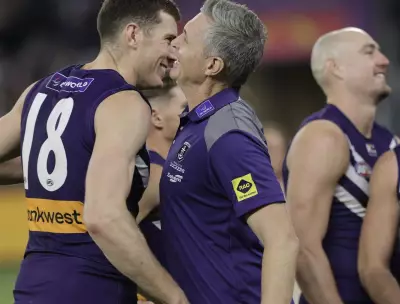
What unfolded was far more than a pre-season exhibition match; it was a tribal, fierce, and authentic display of state pride. Langer notes that this intensity was palpable in the lead-up, audible in the voices of supporters, and visible as players received their state jackets and jumpers.

He highlights performances like that of Jesse Hogan, a West Australian from Scarborough, who played with possessed determination, seemingly driven to prove himself to his home state. Similarly, the injury to Victorian Jacob Weitering, which halted the game, underscored that players were competing for something beyond draft picks or contracts—they were playing for their state.
Lessons from Rugby League and Personal Experience
Langer draws parallels to rugby league's State of Origin, describing it as a unique global phenomenon where teammates at club level become fierce rivals when representing New South Wales or Queensland. The intensity escalates dramatically, with harder tackles and relentless effort, fueled by fan passion for state-born heroes.
Reflecting on his own career, Langer recalls his time playing cricket in England, where he enjoyed formative experiences at clubs like Middlesex and Somerset. Despite loving those years, he always felt a pull to return home. Representing Scarborough CC, Western Australia, or Australia in the baggy green evoked an unmatched emotion—a sense of pride, identity, and culmination of lifelong sacrifices.
He shares an anecdote from 2006, when a groundsman in Somerset questioned his relentless training. Langer's response, driven by the desire to win back the Ashes at home, illustrates how representing one's country or state ignites an internal fire that franchise cricket often cannot replicate.
The Franchise Model and Its Impact on Allegiance
Langer acknowledges the global explosion of franchise cricket, such as the Indian Premier League and Big Bash, where players chase lucrative contracts. While he supports athletes maximising their earnings in short careers, he questions whether constant movement dilutes the sacred nature of sport.
When players represent multiple franchises annually, their allegiance can become blurred, leading to questions about who they are truly playing for. Langer asserts that cricketers who have experienced both 'flag' and 'franchise' consistently affirm that nothing compares to representing their country or state, despite potentially higher financial rewards elsewhere.
The Power of Home-Grown Teams
As a former coach of the Perth Scorchers and Western Australia, Langer advocated for fielding as many local players as possible, believing it created an unmanufacturable bond and competitive edge. He points to WA's Sheffield Shield victory under Adam Voges and Shaun Marsh, achieved with a team of home-grown talents, ending a 20-year drought.
Similarly, he cites the West Coast Eagles' 1992 premiership team, where every player was from Western Australia, as an example of how shared identity and upbringing can forge a superpower on the field. This 'them versus us' mentality, rooted in tribal instincts, inspires deep belonging and purpose.
Embracing Our Tribal Nature in Sport
Langer concludes that humans are inherently tribal, with sport serving as a visible expression of this instinct for survival, protection, and belonging. Whether in State of Origin clashes, AFL matches, or Ashes series, the pull of home and community remains a force no contract can buy.

He hopes the AFL will continue to host State of Origin games, celebrating the unique passion that draws fans and reduces grown men to tears, reaffirming that a team of proud locals can truly take on the world.