Peter John Buswell: A Life of Triumph on Two Wheels and Beyond
Peter John Buswell, one of Western Australia's most distinguished cyclists and a proud World War II veteran, has left an indelible mark on the sporting and community fabric of Bunbury. Born on June 22, 1926, at the family home in South Bunbury, Peter was the seventh of nine children to John Lewis and Ethel Buswell, née Rossiter. Growing up just a short distance from Hands Memorial Oval, he developed an early passion for his beloved South Bunbury Football Club, setting the stage for a life intertwined with local pride and athletic excellence.
Early Cycling Success and Wartime Service
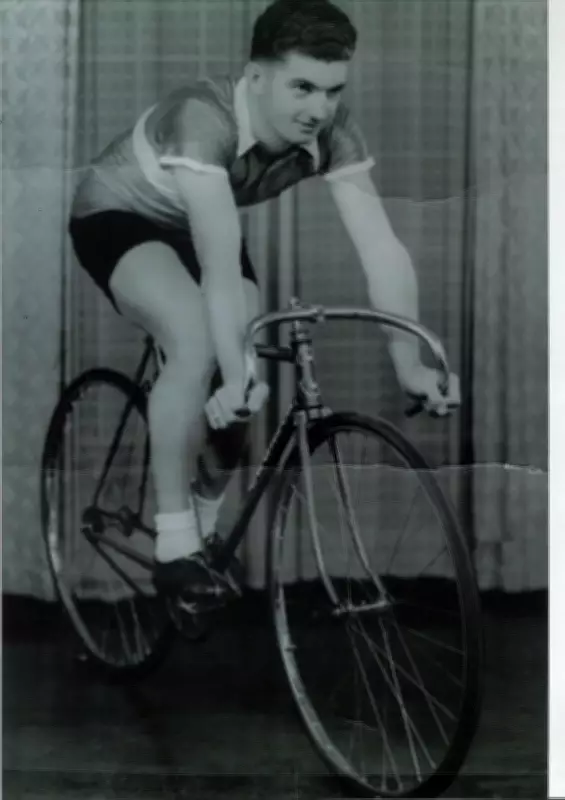
Peter's cycling journey commenced in 1938 at the tender age of 12, when he competed in his first race at the Bunbury Recreation Ground circuit. Trained meticulously by his father, Lew, he demonstrated exceptional talent and unwavering determination, clinching the Bunbury road championship title by age 17. However, his promising career was abruptly interrupted by the outbreak of World War II. Peter enlisted in the Royal Australian Air Force, serving with distinction in New Guinea and later in Townsville before his honorable discharge in 1946.
Post-War Cycling Achievements and State Leadership
Upon returning home, Peter resumed his racing career with renewed vigor, swiftly reclaiming his position among Western Australia's elite cyclists. He secured the South Bunbury Cycle Club championship and triumphed in major events such as the Steele Memorial Race in Collie, while also earning a commendable second place in the arduous Collie-Donnybrook endurance race. In 1948, Peter embarked on an ambitious cycling odyssey across Australia alongside his mate Charlie Rodgers, competing successfully against the nation's top riders in Adelaide, Victoria, and Tasmania.

At 23, Peter realized a lifelong ambition by winning the 1949-50 all-round track champion of Western Australia title. This achievement led to his appointment as captain of the WA team for the 1950 Australian track cycling championships in Tasmania. Reflecting on this milestone in his family memoir, Peter wrote, "My selection in the State team was a big thrill for me as well as my family and friends back home in Bunbury." A contemporary newspaper report highlighted the significance of his victory, noting it was the first time a Bunbury rider had ever claimed such a coveted title.
Family Legacy and Personal Reflections
Roy Carlson, the organiser for the South Bunbury Cycle Club at the time, remarked that Peter's selection as WA captain was "the greatest honour that had ever been bestowed on a Bunbury rider." No one would have been prouder than his father, Lew, who had been his first coach. Peter later recalled, "I knew he had a burning desire for me to do well, but I wasn't to know that his life would end within four months after the championships. Had he lived he would have been more proud the following track season when I became the track champion of WA. Even though I rode for a couple more years after he died, it somehow wasn't quite the same without him being around."
Peter retired from competitive cycling in 1950, concluding his career with a final A-grade victory at the Bunbury Recreation Ground, the very track where it all began. He then devoted himself to family life, marrying Mary Thomson in 1951 at St Patrick's Cathedral in Bunbury. Together, they raised seven children—Lew, Greg, Peter, Mark, Kevin, Gemma, and Pam—and built a legacy of love that includes 22 grandchildren and 22 great-grandchildren.
Overcoming Adversity: A Family Tradition
Peter's success in the gruelling sport of cycling was, in many ways, a testament to his family's resilience. As the great-great-grandson of ticket-of-leave convict Joseph Buswell, he was born into an era and lineage that overcame significant adversity to achieve success in various fields, including civic and public life, as well as local and national sporting endeavors such as cycling and Australian Rules football. While Peter only played junior football for South Bunbury, two of his sons became prominent players for the club in the South West Football League.

According to Excellent Connections: Bunbury 1836-1990 by Anthony J. Barker and Maxine Laurie, Joseph arrived in Western Australia in 1855 "illiterate and with dubious qualifications of master chimney sweep and convicted burglar but went on within a few years to be an employer in various fishing and whaling enterprises." With similar determination, grit, and talent, Peter rose to the pinnacle of cycling. In Leave Granted: The Story Of Joseph Buswell's Tribulations And Triumphs, the late Phillip Pendal, also a descendant of Joseph, wrote that "few attained the success of Peter Buswell." Pendal observed, "This time the glittering prizes came from cycling, then a sport in its hey-day and which demanded gruelling training schedules from those operating at the highest levels." Notably, the track where Peter's career began and ended was only a few hundred metres from the house occupied by Joseph and his wife Eliza 70 years earlier.
Later Life and Enduring Legacy
Beyond his sporting accomplishments, Peter was well known in the community through his later role as a caretaker at Bunbury Senior High School. He passed away peacefully in Bunbury last July at the age of 99, leaving behind a legacy not only of athletic prowess but also of humility, resilience, and unwavering devotion to family. His story is intricately woven into the fabric of Bunbury's history, celebrating a true champion both on and off the track.
Peter John Buswell's life serves as an inspiring narrative of overcoming challenges, from wartime service to sporting excellence, and his memory continues to resonate through the generations of his family and the broader community of Western Australia.