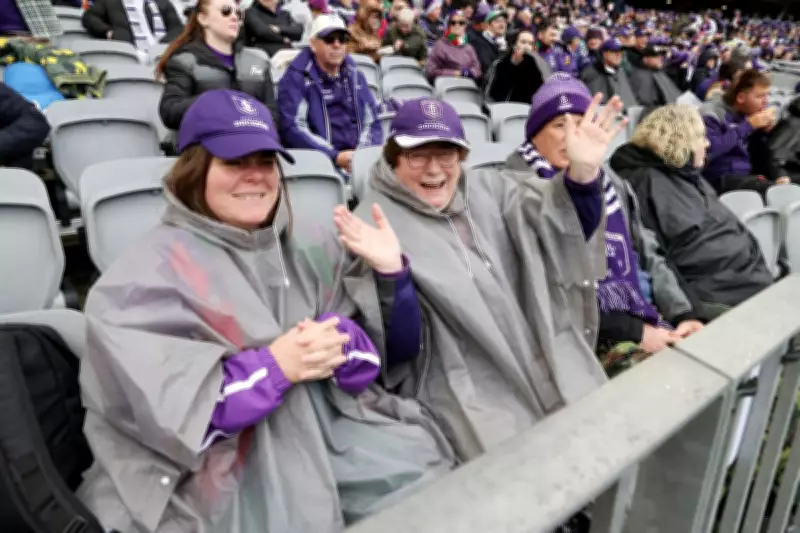
AFL Keeps Close Watch on Cyclone Narelle for Fremantle Dockers Game
The Australian Football League is actively monitoring the development of Cyclone Narelle as it moves toward Western Australia, with significant implications for the upcoming Fremantle Dockers match. League officials are assessing the situation to ensure player and spectator safety, while also considering potential scheduling adjustments if necessary.
Cyclone Narelle's Path and Potential Impacts
Cyclone Narelle, currently forming in the Indian Ocean, is expected to bring severe weather conditions to parts of Western Australia in the coming days. The AFL is working closely with meteorological agencies to track its trajectory and intensity, as the storm could affect travel, infrastructure, and game-day operations for the Fremantle Dockers' fixture.
Key concerns include:

- High winds and heavy rainfall that may pose risks to outdoor events.
- Potential disruptions to team travel and logistics.
- Safety protocols for fans attending the game at the stadium.
AFL's Response and Contingency Plans
In response to the cyclone threat, the AFL has initiated a comprehensive review of its contingency plans. Officials are evaluating multiple scenarios, from minor delays to possible postponement or relocation of the game. The league emphasizes that any decisions will prioritize the well-being of all involved, including players, staff, and supporters.
"We are taking this situation very seriously and are in constant communication with relevant authorities," said an AFL spokesperson. "Our primary focus is on safety, and we will provide updates as more information becomes available."
Implications for the Fremantle Dockers and Fans
The Fremantle Dockers, along with their opponents, are preparing for potential changes to their game schedule. Team management is advising fans to stay informed through official channels for any announcements regarding ticket policies or venue adjustments. The AFL encourages supporters to monitor weather forecasts and follow safety guidelines issued by local emergency services.
This situation highlights the broader challenges that extreme weather events can pose to professional sports, underscoring the importance of flexible planning and proactive risk management in the AFL and beyond.