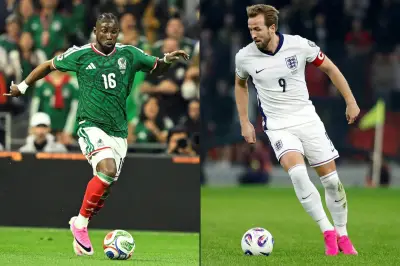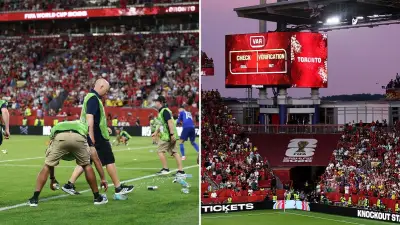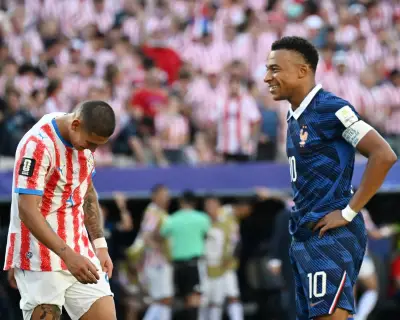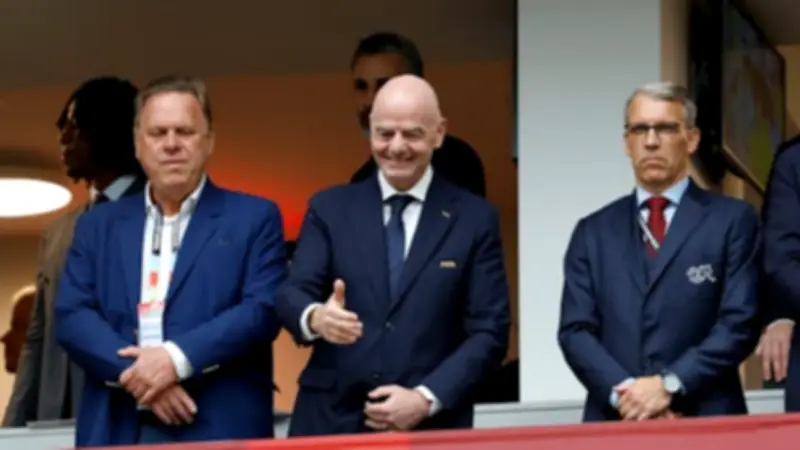
The World Cup has entered its quarter-finals, delivering a mix of surprises and drama: Germany's early exit, debates over Lionel Messi's form, and underdog Cabo Verde reaching the knockout stages. However, the biggest off-field controversy has centered on the United States vs. Bosnia and Herzegovina match.
Trump's Intervention and FIFA's Decision
After the match, US President Donald Trump personally contacted FIFA President Gianni Infantino to request a review of the red card shown to US striker Folarin Balogun, which carried a one-match ban. Shockingly, FIFA sided with the US and reinstated Balogun two days before the US's next match. FIFA officials insisted the Disciplinary Committee acted independently and denied Trump's phone call had any impact. Infantino also issued his own denial.
Infantino's Relationship with Trump and Authoritarian Leaders
Trump felt comfortable reaching out to Infantino due to their strong relationship. In December 2025, Infantino awarded Trump the inaugural FIFA Peace Prize, a decision that appeared unilateral. Since then, the Trump administration launched a war on Iran that has killed thousands of civilians. Trump later praised Infantino, saying: "He's a smart, tough man, and his stock has gone through the roof because the job he has done has been great."

Infantino has a history of cozying up to authoritarian leaders. Ahead of the 2026 World Cup, he remained quiet about US travel bans affecting fans and players from a quarter of qualifying countries. The Iranian National Team was forced to relocate to Tijuana, Mexico, and travel to the US only a day before matches, facing sustained immigration examinations. After Iran's opening draw against New Zealand, Infantino visited their locker room, where the Iranian coach offered a withering critique of the competition's fairness. The Athletic labeled Infantino as a "court jester" unable to challenge Trump's power.
In 2014, as UEFA General Secretary, Infantino banned Crimean clubs from Russian competitions but oversaw a local league separating them from Ukraine. In 2018, as FIFA president, he called Russia's World Cup "the best ever." The following year, Putin awarded Infantino the Russian Order of Friendship. Infantino has also supported reintroducing Russian athletes into FIFA competition despite the invasion of Ukraine. In 2022, he defended Qatari officials facing criticism over labor practices that resulted in roughly 6,500 deaths before the World Cup.
Infantino's Anti-Corruption Image Fades
Infantino became FIFA president in 2016 as an anti-corruption candidate after the scandal that forced Sepp Blatter to resign. He ended reform processes, fired ethics investigators, and has become increasingly authoritarian. In 2026, US investigators ended their probe into global football fraud, citing it "no longer fits the Trump administration's priorities." FIFA's finances have been buoyed by US television dollars and Middle Eastern sovereign wealth funds. Infantino's close relationship with Saudi Arabian ruler Mohammed bin Salman helped secure the 2034 World Cup hosting rights for Saudi Arabia, blindsiding Australia through backdoor maneuvering.
Pressure to Resign Mounts
Blatter criticized Infantino and Trump's conduct on X: "Red cards are not overturned by political phone calls. They are overturned by rules, evidence, and independent bodies." Calls for Infantino's resignation have come from Sky Sports presenter Jeff Stelling, German manager Jürgen Klopp, and British journalist Gary Lineker. UEFA officials are reportedly discussing alternatives, with North American leaders favoring Canadian Victor Montagliani. More troubling for Infantino are demands for an investigation by 72 European lawmakers in the European Parliament.
Despite some in the press seeing his position as "untenable," the twice re-elected FIFA President may survive due to support from African and Asian confederations, which benefit from the money he brings. Infantino is well-liked by sports officials in the global south. However, the concentration of power inside FIFA and its connections to governments remain problematic. As money and power become increasingly concentrated, the possibility for challenging his leadership diminishes.