The Socceroos' remarkable World Cup campaign served as a unifying force for Australia's multicultural society, according to players and officials. The team's journey to the round of 16 in Qatar captured the hearts of fans across the nation, transcending cultural and social divides.
Historic Run Captures National Imagination
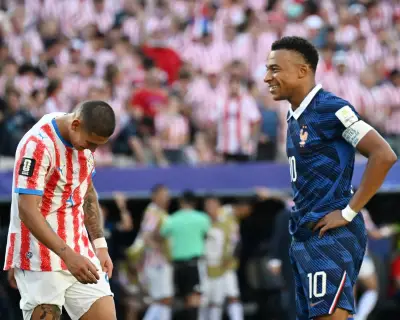
Australia's national football team advanced past the group stage for only the second time in history, following a dramatic 1-0 victory over Denmark. The win secured second place in Group D behind France, setting up a knockout clash with Argentina. Despite a 2-1 loss to the eventual champions, the team's performance drew widespread praise.
Midfielder Riley McGree highlighted the unifying effect of the campaign. "We saw Australians from all walks of life coming together to support us," he said. "It showed the power of sport to bring people together, regardless of background." The team itself reflected Australia's diversity, with players of Indigenous, European, Asian, and African heritage.

Diverse Squad Reflects Modern Australia
The Socceroos squad featured 11 players with multicultural backgrounds, including Indigenous Australian striker Jamie Maclaren and Sudanese-born defender Thomas Deng. Coach Graham Arnold emphasized the importance of representation. "Our team is a mirror of Australian society," Arnold said. "We are proud to represent all Australians."
According to Football Australia, the World Cup campaign boosted participation in grassroots football, with a 15% increase in registrations among children from diverse backgrounds. The organization launched initiatives to promote inclusion, including free coaching clinics in multicultural communities.
Social Media and Community Engagement
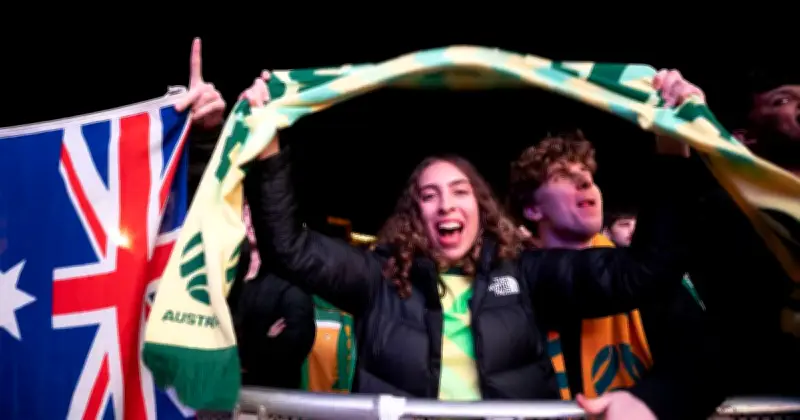
The team's success generated over 2 million social media interactions during the tournament, with fans sharing stories of how the Socceroos connected different communities. In Sydney's western suburbs, watch parties drew thousands of attendees from various ethnic groups. Community leader Fatima Ali noted, "It was beautiful to see everyone cheering together, regardless of where their families came from."
The campaign also sparked conversations about national identity. A survey by the Australian Multicultural Foundation found that 78% of respondents felt the Socceroos' run strengthened their sense of belonging to Australia. Foundation chairman Dr. Hass Dellal said, "Sport has a unique ability to bridge differences and create shared experiences."
Lasting Legacy for Australian Football
Beyond the immediate unity, the World Cup run is expected to have lasting effects on Australian football. The government announced a $10 million investment in football facilities in underserved areas, targeting culturally diverse regions. The Socceroos' journey also inspired a new generation of players, with youth academy applications rising by 30%.
As the team returns home, players are committed to building on the momentum. Captain Mathew Ryan said, "We hope this is just the beginning. We want to show that football can be a force for good in Australia." The Socceroos' next challenge will be the Asian Cup, where they aim to continue their unifying impact.