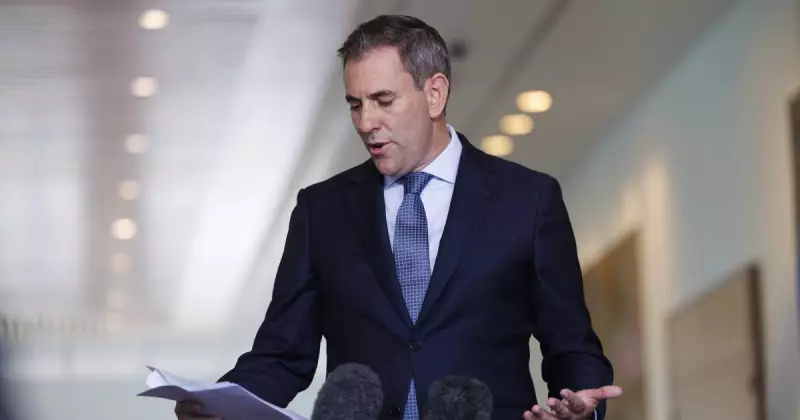
Treasurer Jim Chalmers is poised to present a marginally improved federal budget bottom line, arguing it demonstrates the Albanese government's responsible economic stewardship. The Mid-Year Economic and Fiscal Outlook (MYEFO), to be released on Wednesday, will forecast a deficit of $36.8 billion for the 2025-26 financial year. This figure represents a reduction from the $42 billion deficit projected in the March federal budget.
Improved Bottom Line Amid Spending Pressures
Dr Chalmers will assert that the government has navigated significant fiscal pressures while honouring key election promises. He is expected to highlight that the budget position has improved across the forward estimates, despite accommodating substantial new expenditures. The government tallies its delivery on commitments in areas like Medicare, aged care, and veterans' support at approximately $13 billion.
"Despite all the pressures we've had to accommodate ... the bottom line is better in every year over the forward estimates," the Treasurer stated. He acknowledged "more work to do" but insisted considerable progress had been made through a strategy of finding savings, restraining spending, and banking revenue.

Savings Offsets and Wage Bill Challenge
The update follows the Treasurer's earlier revelation of a $12.7 billion blowout in 'unavoidable' spending, with half attributed to higher-than-anticipated costs for national disaster relief. To counter this and improve the fiscal outlook, the government has identified around $20 billion in savings and spending reprioritisations to be outlined in the MYEFO.
A significant portion of these savings, understood to be about $1 billion, will come from the Australian Public Service, with the Defence department contributing the largest share. The MYEFO will show average real spending growth of 1.7 per cent over the seven years to 2028-29.
A key point of scrutiny will be how the update accounts for the growing public sector wage bill, estimated to be $7.4 billion higher due to recent enterprise bargaining agreements. The March budget had forecast the wage bill would remain flat at around $30 billion. Finance Minister Katy Gallagher has maintained that agency heads are responsible for covering these increased costs within their existing budgets.
Government's Focus on Fiscal Discipline
Overall, the mid-year update will reveal an $8.4 billion improvement in the underlying cash balance over the four years to 2028-29 compared to forecasts made at the May election. Senator Gallagher emphasised the government's commitment to making "every dollar count" through careful spending reviews and prioritisation.
"We're not only improving the bottom line but also ensuring that essential services, like support for veterans, disaster recovery, and the aged pension, remain robust and responsive to community needs," she said. The government frames its approach as building a more sustainable and resilient budget for the future while funding core services Australians value.
Dr Chalmers concluded, "We've managed the budget sensibly. By finding more savings, restraining spending and banking revenue, the budget is in much better nick than it was when we came to government, and it's even improved since the last election."