Western Australian Premier Roger Cook has been confronted over a critical failure in the state government's support for the fishing industry, as businesses reel from the impact of a sweeping demersal fishing ban. A promised government helpline for workers seeking financial assistance has been revealed to be non-existent, sparking outrage and accusations of abandonment.
Premier Grilled Over Missing Support Lifeline
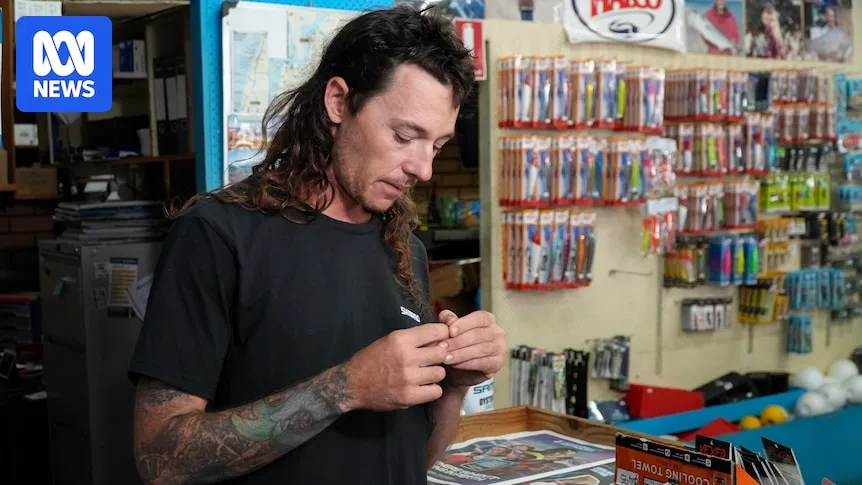
During a recent community cabinet meeting in Mandurah, Premier Cook faced direct questioning from local fishing identity and former professional fisherman, Danny Simpson. Simpson challenged the Premier on the lack of tangible support for workers whose livelihoods are threatened by the ban on catching demersal scalefish, which came into effect for the West Coast Bioregion on October 1, 2024.
The exchange centred on a specific promise: a dedicated government helpline for affected workers to access support. Simpson revealed that when he attempted to call the number provided, he was met with a recorded message stating the service did not exist. "I tried to ring that number, Premier, and it said, 'This service is not in existence'," Simpson stated during the meeting, highlighting a glaring gap between government announcements and on-the-ground reality.
Premier Cook's response acknowledged the system's failure, admitting the process was "not good enough" and pledging to rectify the issue. The incident has severely undermined confidence in the government's $20.8 million support package, announced to assist commercial fishers, charter boat operators, and associated businesses through the transition.
Industry in Crisis as Ban Bites Deep
The demersal fishing ban, aimed at rebuilding severely depleted stocks of popular bottom-dwelling fish like dhufish and pink snapper, represents the most significant restructuring of the sector in decades. The new rules prohibit the catch and retention of demersal scalefish across a vast area for up to three and a half months each year until 2028.
For businesses like Danny Simpson's, which operates a fishing tour company, the impact is immediate and devastating. Simpson estimates his business has already suffered an 80 per cent downturn, forcing him to lay off staff. His story is echoed across the industry, with charter operators and tackle shops reporting cancelled bookings and plummeting sales, fearing permanent closure.
The government's support package includes funding for temporary business hardship payments, voluntary licence buybacks, and diversification grants. However, the revelation of a non-functional helpline has cast doubt on the entire scheme's rollout, leaving many feeling stranded without a clear path to access the promised aid.
A Community Demands Answers and Action
The confrontation in Mandurah underscores the deep anxiety and frustration within coastal communities. The fishing ban, while supported by scientific advice for stock recovery, has been implemented with what critics argue is insufficient practical support for the human and economic cost.
The missing helpline is more than a bureaucratic error; it is a symbol of a disconnect between policymakers and the people directly affected. Industry representatives are now calling for urgent and transparent action to fix the support system, ensuring funds flow quickly to those in genuine hardship.
As Premier Cook's government works to reactivate the support line, the pressure remains. The sustainability of WA's prized demersal fish stocks is a long-term goal, but for the fishing businesses of Western Australia, the crisis is happening right now. The state's response in the coming weeks will be crucial in determining whether these iconic coastal industries can survive the transition.