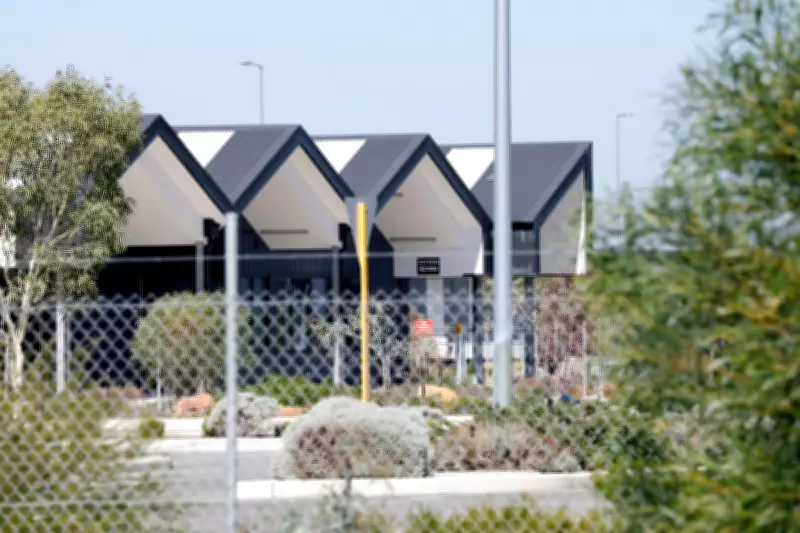
Unused WA COVID Quarantine Facility to Transform into Low-Security Prison Rehabilitation Centre
A 500-bed COVID quarantine facility in Western Australia, which has remained unused since its construction, is set to be repurposed into a low-security prison and rehabilitation centre. This significant move aims to tackle prison overcrowding issues while providing crucial support for inmate reintegration into society.
Addressing Correctional System Challenges
The decision to convert the facility comes as the state government seeks innovative solutions to manage its correctional services more effectively. The unused quarantine site, originally built during the pandemic at considerable expense, will now serve a dual purpose in the justice system. By transforming it into a low-security prison, authorities hope to alleviate pressure on existing prisons that are currently operating at or near capacity.
This repurposing initiative represents a strategic shift in resource allocation, turning a dormant asset into a functional component of the state's infrastructure. The rehabilitation aspect of the centre will focus on programs designed to reduce recidivism rates, offering inmates education, vocational training, and mental health services to better prepare them for life after release.

Enhancing Rehabilitation Efforts
The new centre will emphasise rehabilitation over mere incarceration, aligning with broader trends in correctional philosophy that prioritise successful reintegration. Key features of the facility will include:
- Educational workshops and skills training programs
- Counseling and mental health support services
- Substance abuse treatment and recovery resources
- Community engagement initiatives to foster social connections
By integrating these elements, the centre aims to create a supportive environment that encourages positive behavioural changes and reduces the likelihood of reoffending. This approach not only benefits inmates but also contributes to public safety and community well-being in the long term.
Economic and Social Implications
The conversion of the quarantine facility is expected to generate economic benefits by creating jobs during the renovation phase and operational roles once the centre opens. Additionally, it addresses social concerns by providing a more humane and effective alternative to traditional prison settings for low-risk offenders.
State officials have highlighted that this project demonstrates a proactive response to both the legacy of pandemic infrastructure and ongoing challenges in the justice system. The plan reflects a commitment to utilising public resources efficiently while advancing progressive correctional policies.
As Western Australia moves forward with this transformation, the centre is poised to become a model for how unused facilities can be adapted to meet contemporary societal needs, blending security with rehabilitation in a modern correctional framework.