Rentseekers Co-opt Iran War and Fuel Crisis to Promote Budget Ideas as Tough Decisions Loom
Katina Curtis
The West Australian
Mon, 13 April 2026 8:58PM

Comments | Email Katina Curtis
Camera Icon
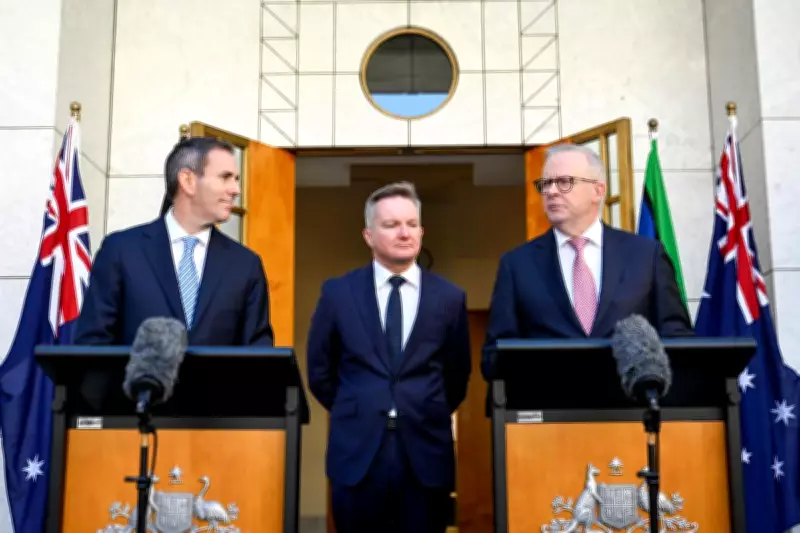
Treasurer Jim Chalmers, Minister for Climate Change and Energy Chris Bowen, and Prime Minister Anthony Albanese. Credit: Martin Ollman NewsWire/NCA NewsWire
Deal, no deal, the strait is open, the strait is blockaded: the war in Iran continues, marked by a relentless stream of contradictory assertions.
Simultaneously, in the inboxes of politicians, policymakers, and reporters, another war is raging—one aimed at ensuring no good crisis goes to waste.
The fuel shock from the near-closure of the Strait of Hormuz, which has strangled the flow of approximately 20 percent of the world's oil supplies, is being co-opted by every rentseeker as the prime reason why their pet policy solution must be adopted immediately.
Its timing, striking right in the middle of Canberra's Budget season, has doubled the urgency, putting immense pressure on government officials.
Those ministers spending hours locked in Cabinet's expenditure review committee, often referred to as the razor gang, might be counting their blessings to escape the onslaught of lobbying efforts.
If they are lucky, a colleague might even have brought in tea cake or Tim Tams to provide a brief respite from the intense discussions.
Contradictory Solutions Flood In Amid Fuel Price Surge
There is a Trumpesque avalanche of contradictory suggested solutions aimed at helping Australians struggling with sky-high fuel prices.
Proposals range from ramping up discounts for electric vehicles to taking away tax breaks for EVs, starting to force their drivers to pay road user fees, or definitely not implementing road user fees, and speeding up the rollout of charging infrastructure.
Infrastructure Minister Catherine King dropped a few breadcrumbs on these ideas over the weekend, indicating that ending the tax breaks is on the table, but road user fees—incidentally one of the few things to have wholehearted endorsement from last year's economic reform roundtable—were off it for the time being.
As for the broader issue of energy security, the suggestions vary widely, from banning fossil fuels completely to opening up more drilling for oil and gas.
It is hard to see how the "drill baby drill" approach would help people paying through the nose at the bowser right now, given the immediate nature of the crisis.
Mining and Superprofits Tax Debates Intensify
Andrew Forrest has seized the chance to re-up his perennial campaign to cap the off-road diesel tax rebates at $50 million a year.
He argues this would encourage mining companies to decarbonise faster and, in the current environment, bolster energy security.
This move would do him out of millions of dollars in tax breaks but hit his competitors lagging on the switch to electrification more severely.
Few of the other miners back that proposal, highlighting divisions within the industry.
Most of these helpful suggestions are just distractions, according to analysts, as the government faces more pressing issues.
Prime Minister Anthony Albanese and Treasurer Jim Chalmers have bigger fish to fry with this promised "most ambitious" budget of their government.
Listen carefully to ministers being interviewed at the moment, and two things become clear: the budget is still in a state of flux because of the war, and it will be a tough one, requiring difficult trade-offs.
Superprofits Tax on Gas Gains Traction
Another suggestion whose proponents have seized on the war and fuel crisis to underscore their arguments is a superprofits tax on gas.
This one is diplomatically difficult as Albanese flies around the region, waving Australia's reputation as a reliable supplier of gas in front of the countries who sell us petrol, diesel, and fertiliser.
But notably, it is not being ruled out by those who have been involved in the budget discussions, indicating it remains a live option.
Resources Minister Madeleine King sounded like she feared she might be on the losing end of this argument in a radio interview on Monday.

She put her personal view: "For mine, I think it's worth people remembering that to have created this gas industry, which provides most of the domestic gas in this country, those companies had to invest tens of billions of dollars."
She then had to concede that ultimately, "it's a matter for the Treasurer and the whole cabinet to decide."
In other words: watch this space, as the decision could have significant implications for the energy sector.
Crisis Creates Opportunities for Policy Shifts
Some of those suggestions flooding inboxes might find their opportunity in this crisis, as the government navigates complex economic and geopolitical challenges.
The interplay between the Iran war, fuel shock, and Budget season underscores how external events can shape domestic policy debates in profound ways.
As the situation evolves, stakeholders across Australia are closely monitoring how these factors will influence the final Budget decisions.
Get the latest news from thewest.com.au in your inbox. Sign up for our emails to stay updated on developments.