Transport Minister Rita Saffioti Rejects Perth Council's Proposal to Merge City Train Stations
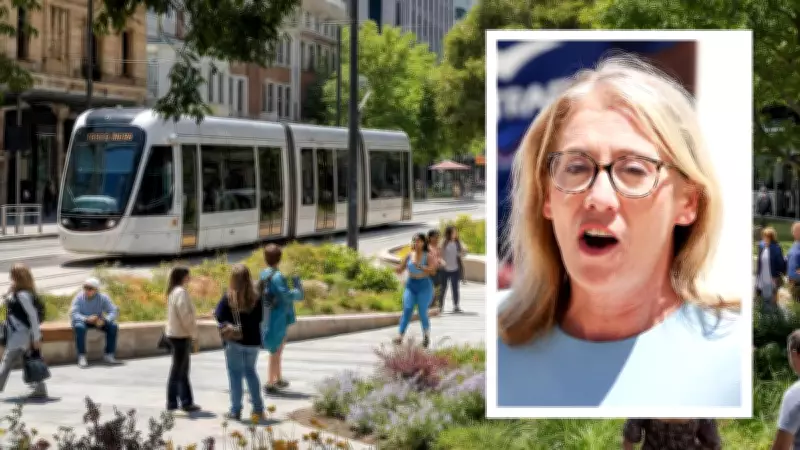
In a significant development for Western Australia's public transport system, Transport Minister Rita Saffioti has firmly declined to support a proposal from Perth councils to merge several city train stations. This decision comes amid ongoing discussions about urban planning and infrastructure efficiency in the metropolitan area.
Details of the Council Proposal
The proposal, put forward by various Perth councils, aimed to consolidate multiple train stations within the city to streamline operations and potentially reduce maintenance costs. Advocates argued that merging stations could lead to improved service frequency and better integration with other transport modes, such as buses and cycling paths.
However, the plan faced criticism from some community groups and transport experts who raised concerns about accessibility and the impact on local neighborhoods. The councils had hoped to gain state government backing to move forward with feasibility studies and public consultations.

Saffioti's Reasons for Rejection
Minister Saffioti outlined several key reasons for her decision not to support the merger proposal. Firstly, she highlighted the substantial financial costs associated with such a project, noting that funds might be better allocated to other pressing transport needs across Western Australia.
Secondly, she expressed worries about the potential disruption to commuters, particularly during the construction phase, which could lead to longer travel times and inconvenience for daily users. Saffioti emphasized that any changes to the train network must prioritize passenger experience and safety.
Additionally, the minister pointed to existing plans for transport upgrades, suggesting that the council's proposal might not align with the state's broader strategic goals. She stated that the government is focused on enhancing current services rather than undertaking major structural changes without clear benefits.
Reactions and Implications
The rejection has sparked mixed reactions from stakeholders. Some council representatives expressed disappointment, arguing that the merger could have modernized Perth's transport infrastructure and addressed long-term growth challenges. Others, including certain commuter advocacy groups, welcomed Saffioti's stance, citing concerns over practicality and community impact.
This decision underscores the complexities of urban transport policy in Australia, where balancing cost, efficiency, and public interest is often contentious. It may influence future discussions on similar proposals in other cities or regions.
Looking Ahead
While the merger plan is off the table for now, Minister Saffioti indicated that the government remains open to collaborative efforts with councils on other transport initiatives. She encouraged ongoing dialogue to explore alternative solutions that could improve Perth's public transport network without the risks associated with station mergers.
In summary, Rita Saffioti's rejection of the Perth council's proposal highlights a cautious approach to infrastructure changes, focusing on stability and incremental improvements over radical transformations. This move is likely to shape transport debates in Western Australia for the foreseeable future.