Premier Peter Malinauskas and his Labor government appear to have a clear path to a resounding victory in the upcoming South Australian state election, with the opposition Liberals facing potential electoral disaster. The political landscape has shifted dramatically, leaving the Liberal Party struggling for relevance as the March 21, 2026 poll approaches.
Liberals in Crisis: Leadership Turmoil and Seat Losses
Current predictions paint a dire picture for the South Australian Liberal Party. The party has gone backwards since the last election and now holds just 13 of the 47 seats in the House of Assembly. Analysts suggest they could retain as few as three seats when the final votes are counted, a result that would represent a catastrophic defeat.
This grim outlook has triggered significant internal instability. Within the last week, party members discussed ousting current leader Vincent Tarzia after damning internal polling was revealed. While those leading a potential challenge backed off after details were leaked to the media, the leadership question remains unresolved.

His supposed successor, Ashton Hurn, has publicly declared she will not challenge Tarzia. However, if he is persuaded to step aside, she could be drafted into the top job—an unenviable position so close to the campaign start, and unlikely to shift voter sentiment.
Labor's Dominance and Strategic Renewal
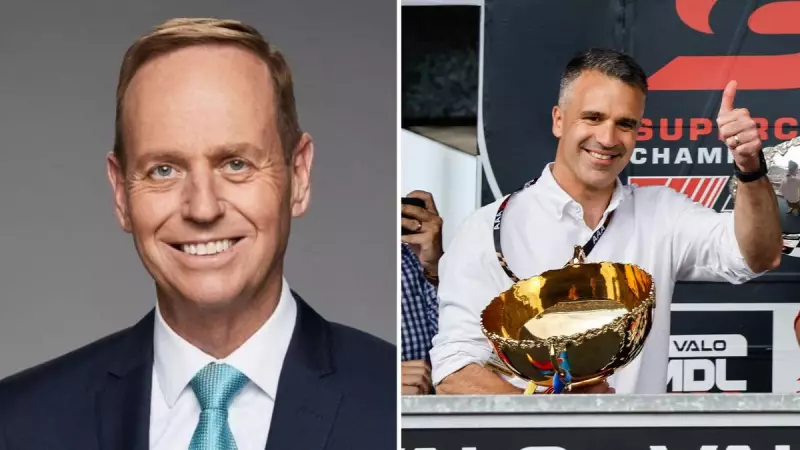
In stark contrast, Premier Malinauskas is capitalising on every opportunity to solidify his government's position. Following another successful Supercar weekend, he announced a nine-year extension of the BP Adelaide Grand Final carnival to 2034, showcasing a government in action.
Labor is aggressively targeting a host of metropolitan seats held by the Liberals for generations. Campaigning is intense in Morialta, Unley, Bragg, Colton, Morphett, and Frome, where Labor sees chances to inflict long-term damage on Liberal heartlands.
Despite the departure of several experienced figures, Labor's renewal strategy seems robust. Long-serving MP Leon Bignell, a former Channel 7 journalist described by the Premier as a "phenomenon," will not contest the next election after quitting Labor to become an Independent Speaker. Rumours suggest he may be appointed South Australia's next Agent-General in London, replacing Liberal appointee David Ridgway.
The government has also seen the exit of Deputy Premier Susan Close, Treasurer Stephen Mullighan, and long-time stalwarts Dana Wortley and Lee Odenwalder. In normal circumstances, such a loss of experience would signal trouble, but Labor's strict party discipline and policy of renewal appear to have mitigated the risk.
The Road to 2026: Governance Without Scrutiny?
The central question for the 2026 election is no longer if Labor will win, but by what margin. For the Liberals, the election represents a crossroads for the party's future relevance in the state.
If results align with predictions, a new Liberal leader will face the daunting task of rallying a decimated team for another four years—or more—in opposition. This scenario raises concerns about the health of democracy itself, as good governance requires an effective opposition.
With so few MPs likely to remain, the burden of scrutinising countless government portfolios will fall on a handful of opposition members, potentially leading to a dangerous lack of oversight. The Liberals face a monumental challenge over the Christmas break and the final 15 weeks if they hope to make any dent in Labor's commanding lead.
Premier Malinauskas is reportedly trying to manage expectations, aware that complacency is the only 'banana skin' that could trip up his government's seemingly inevitable return to power.