The State Government has been urged to do more to manage the destructive polyphagous shot-hole borer, with a Perth mayor claiming its lack of support means residents are having to pay twice for eradication efforts.
Financial Burden on Councils
The City of Vincent estimates protecting its urban tree canopy from the pest could cost up to $1 million a year but believes biosecurity is a State Government responsibility. Mayor Alison Xamon said councils were being left with the significant financial burden and ongoing costs of management.
“Local governments have an important role to play in responding to PSHB at a local level, but we can’t be expected to carry this massive cost and responsibility alone,” she said. “Vincent is not alone. Managing PSHB will require millions of dollars which local governments across Perth are being asked to find on top of essential local services.”

State Government Support Scheme
The State Government recently announced a $3.6 million local government support scheme for councils in the PSHB inner management zone. Up to $120,000 will be available for each local government to help fund management strategies, including tree removal, pruning, surveillance, community education and chemical treatments.
Ms Xamon said the funding “still falls short” and there had been no indication on if it would be a one-off or ongoing contribution. “Without clear and comprehensive funding arrangements in place, it is local ratepayers who will be left to pick up the bill,” she said. “These residents already pay taxes and are now effectively paying twice for a responsibility that sits with the State Government.”
Restoration Efforts in Hyde Park
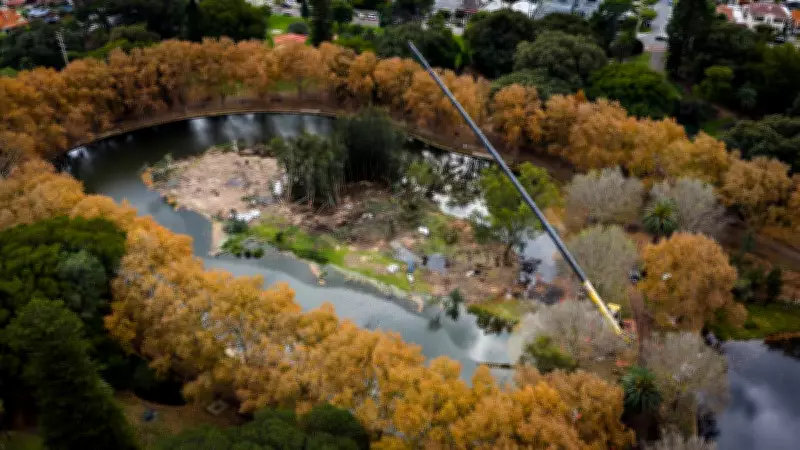
After PSHB-infested trees were removed from Hyde Park’s islands in May last year, the City of Vincent launched a four-year restoration plan to protect and restore the area. Since April 2026, more than 17,000 PSHB-resistant native plants have been planted. Ms Xamon acknowledged a $500,000 election commitment from Perth MHR Patrick Gorman to help remediate the Hyde Park islands, describing it as an example of why other levels of government needed to assist.
State Government Response
A State Government spokesperson said it was supporting local councils through grants, training and tree replacement programs as the response shifted into long-term management. “Biosecurity is everyone’s responsibility,” they said. “Now the national shot-hole borer response is transitioning to management and the pest is considered established in the management zone, it is landholders’ responsibility to manage their own trees and decide on borer management options — as with other existing plant pests or diseases.”
The State Government spokesperson said 30 local governments would be eligible to apply for the grants and highlighted additional funding initiatives, including almost $1 million awarded through the WA Tree Recovery Grant Program to plant 2,700 replacement trees. “More than $30,000 in cash rebates have also been distributed to residents impacted by shot-hole borer as part of the State Government’s WA Tree Recovery Residential Rebate program,” they said. The representative said the Department of Primary Industries and Regional Development was continuing to provide training and support to councils and communities managing the pest.
Mayor’s Call for Action
Ms Xamon said the city would continue advocating for further support while managing the spread locally. “I don’t believe we have the luxury of letting the borer destroy our canopy, including huge trees that are over a century old,” she said. “While discussions continue, PSHB continues to spread. Councils are planning and acting now because we have no choice. Protecting our environment shouldn’t place unreasonable financial pressure on the communities we serve.”