The Local Government Association of Queensland (LGAQ) has issued a stark warning that cost shifting from state and federal governments to local councils could surpass $1 billion, deepening the financial strain on municipalities across the state. This comes amid a broader budget crisis that is forcing councils to make difficult decisions about service cuts and rate increases.
What Is Cost Shifting?
Cost shifting occurs when higher levels of government transfer responsibilities or costs to local councils without providing adequate funding. Examples include the maintenance of state-owned roads, community health services, and disaster recovery efforts. The LGAQ argues that these unfunded mandates are placing an unsustainable burden on councils, which rely heavily on property rates and grants for revenue.
Impact on Councils
According to the LGAQ, the cumulative effect of cost shifting has grown significantly over the past decade. Many councils are now struggling to maintain essential services such as waste management, parks, and libraries. Some have been forced to reduce staff, delay infrastructure projects, or increase rates to compensate for the shortfall.

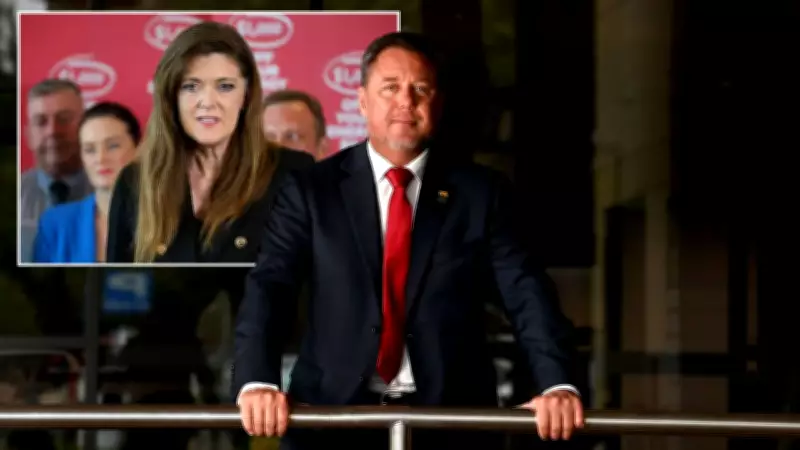
The association's president, Mark Jamieson, stated that the $1 billion figure represents a conservative estimate. He emphasized that without intervention, the situation will only worsen, potentially leading to a crisis in local governance. “Councils are at breaking point,” he said. “We cannot continue to absorb costs that are not our responsibility.”
- Road maintenance: Councils are increasingly responsible for state-controlled roads, costing millions annually.
- Disaster recovery: After natural disasters, councils often bear the upfront costs of cleanup and rebuilding, with delayed reimbursement from state and federal funds.
- Environmental compliance: New regulations on water quality and waste management have added to council expenses.
Budget Crisis Context
The warning comes as Queensland councils prepare their budgets for the upcoming financial year. Many are facing reduced revenue due to the economic slowdown, rising inflation, and increased demand for services. The LGAQ is calling for a formal review of funding arrangements and a commitment from the state government to halt further cost shifting.
Government Response
The Queensland government has acknowledged the concerns but has not committed to additional funding. A spokesperson noted that the state is also facing budget pressures and that any changes would need to be considered in the context of the overall fiscal position. The LGAQ, however, insists that the status quo is untenable and that a sustainable solution must be found.
Local councils across Queensland are now urging residents to voice their concerns to their state representatives. The LGAQ plans to launch a public awareness campaign to highlight the issue and build pressure for reform. “This is not just about councils,” Jamieson added. “It is about the services that communities rely on every day.”