Women Maintain Majority on Government Boards, Yet Diversity Gaps Persist
The latest annual Gender Balance on Australian Government Boards Report reveals that women continue to hold the majority of positions across federal government boards, maintaining a steady representation of 54.3 per cent. While this figure marks the fourth consecutive year the government has exceeded its 50 per cent target, officials acknowledge significant work remains to improve diversity and leadership representation.
Portfolio Performance Shows Mixed Results
Analysis of individual government portfolios shows a varied picture. Nine portfolios recorded increases in female representation, with Social Services leading at 71.9 per cent, followed by Attorney-General's at 65.5 per cent and Education at 61.9 per cent. The Infrastructure, Transport, Regional Development, Communications and the Arts portfolio came closest to exact gender parity with women holding 50.1 per cent of its 813 positions.
However, eight portfolios experienced declines in female representation. The National Indigenous Australians Agency saw the most significant drop at 3.4 per cent, while Foreign Affairs and Trade decreased by 2.8 per cent. This year's data incorporated ex-officio positions for the first time, adding 958 senior department staff to the overall count.

Areas Requiring Improvement
Several key areas continue to trail behind government targets. Veterans' Affairs remains the portfolio with the lowest female representation at just 46.4 per cent across agencies including the Australian War Memorial and Military Rehabilitation and Compensation Commission. Defence follows at 48.1 per cent, while Climate Change, Energy, the Environment and Water sits at 49.1 per cent.
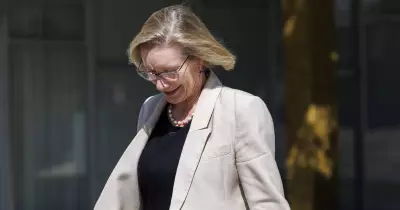
Minister for Women Katy Gallagher described the overall results as essential for achieving gender equality in the Australian Public Service but emphasized ongoing challenges. "We need more women, including First Nations women and women from diverse backgrounds, at the table across all Australian Government portfolios," she stated, highlighting the importance of diverse perspectives in policy development.
Leadership and Diversity Challenges
The government is falling short of its goal to have women represent 50 per cent of chair and deputy chair positions at portfolio level, with only seven out of seventeen portfolios meeting this leadership target. Additionally, representation of First Nations women and culturally diverse women remains significantly lower than overall female representation, though data collection in these areas remains limited.
Across all 357 government boards, women hold 1,707 positions representing 54.3 per cent of total roles. This represents a slight decrease from last year's record figure of 54.4 per cent but maintains the consistent majority achieved in recent years.
Perspectives from Public Service Leaders
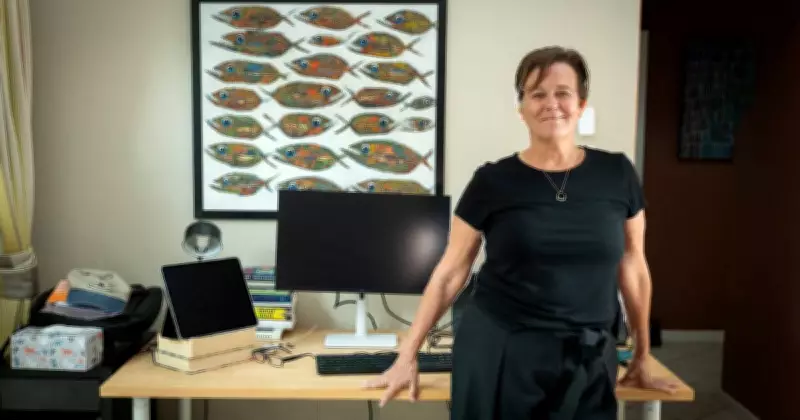
Caroline Edwards PSM, Deputy Chair of Services Australia's Independent Advisory Board, reflected on the progress made since she entered the public service in 1995. "Back when I first joined the APS, gender representation wasn't a thing that you focused on," she noted, acknowledging the positive impact of setting targets and transparent reporting.
Ms Edwards emphasized the importance of women supporting each other in career advancement and encouraged aspiring female leaders to "give it a go" when considering senior roles. Her comments come as women now represent 60.5 per cent of the permanent APS workforce, up from 58.4 per cent seven years ago.
The report also highlights that women now hold 51.1 per cent of positions at SES Band 2 and 3 levels, indicating progress in senior executive representation despite ongoing challenges in board leadership roles and diversity inclusion.