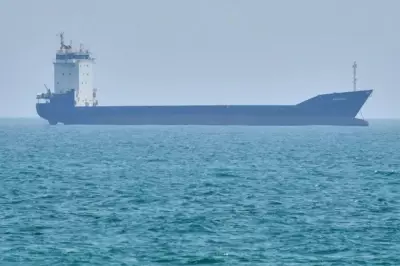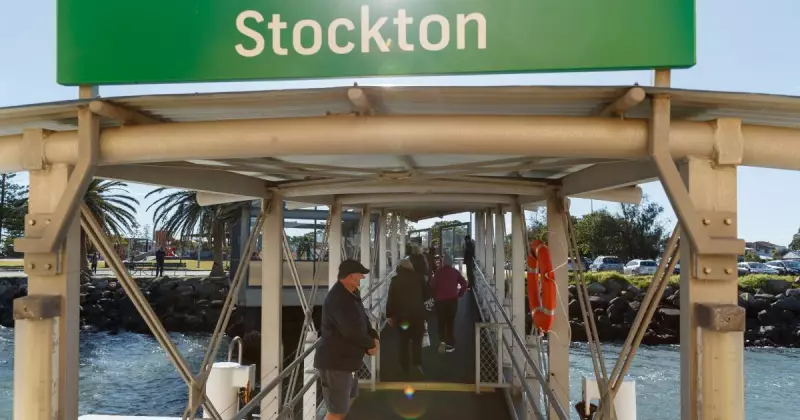
The chronic and disruptive failures of the Newcastle to Stockton ferry service have reached a critical point, with a temporary back-up vessel doing little to assuage community fears about the long-term viability of this vital transport link.
While the arrival of a loaned ferry has provided some short-term relief for the hundreds of residents, workers, students, and healthcare patients who depend on the crossing, it is merely a band-aid solution. The fundamental question remains unanswered: what is the future of the ferry service?
Ageing Fleet and Contractual Confusion
The core of the problem lies with the ageing vessels at the heart of the service. The MV Shortland and MV Hunter were built in Tomago back in 1986, making them nearly four decades old. Mechanical failures have become commonplace over the last 18 months, causing frequent unplanned disruptions.

The situation is particularly dire for the MV Hunter, which has been out of service due to a mechanical failure for almost a full year. No clear timeline has been provided for its return.
Complicating matters is the split responsibility for the service. Since 2017, operation has been under a 10-year contract with Newcastle Transport, run by Keolis Downer, which handles repair and maintenance. However, the vessels themselves are owned by Transport for NSW, which is responsible for their eventual replacement.
Community Demands Action and a Master Plan
Frustrated by the ongoing chaos, the Stockton Community Group Inc. has taken decisive action. The group has launched an official NSW Legislative Assembly e-petition calling for immediate government intervention.
The petition demands several key actions from the Minister for Transport:
- Secure urgent repairs for both the MV Shortland and MV Hunter, or source alternative vessels to maintain a reliable service.
- Facilitate planning and funding for the replacement of the ageing fleet to future-proof the service.
- Review the contractual arrangements with Newcastle Transport to assess whether the private operator has the capability to deliver this essential public transport link.
"We encourage NSW residents to sign the petition and help secure the future of the ferry service," said Lindy Nisbett, president of the Stockton Community Group.
The community's frustration is compounded by the apparent lack of strategic planning. While the NSW government published a master plan for the Sydney ferry network in 2013, no equivalent plan or commitment exists for the Newcastle to Stockton service.
A Stop-Gap Solution is Not Enough
The loaned ferry, while welcome, underscores the ad-hoc approach to a systemic problem. Residents and daily commuters require certainty and reliability, which the current arrangement fails to provide.
The service is not a luxury; it is a critical piece of infrastructure connecting the Stockton community to jobs, education, and essential services in Newcastle. Its repeated failures represent a significant breakdown in public transport provision for the region.
The call from Stockton is clear: the government must move beyond temporary fixes. It needs to commit to a funded, long-term strategy that guarantees a modern, reliable ferry service for the future, ensuring this vital link across the harbour does not remain stuck in the past.