The federal government has launched a probe into a dramatic surge in workers' compensation costs, largely fuelled by a sharp rise in psychological injury claims among Commonwealth public servants. The escalating bill is adding significant pressure to the national budget.
Budget Blowout: From $5.5bn to $9.6bn Forecast
New figures released in the Mid-Year Economic and Fiscal Outlook (MYEFO) reveal the scale of the financial challenge. The government now expects to spend $7.9 billion on workers' compensation premiums and claims this financial year. This is a substantial revision from the $5.5 billion forecast in the March budget.
Looking further ahead, the projections are even starker. By the 2028-29 financial year, the government anticipates its compensation costs will hit $9.6 billion. This represents a 70 per cent increase on what was originally forecast just months ago.

Minister Gallagher Flags 'Psychological Disease' Claims as Key Driver
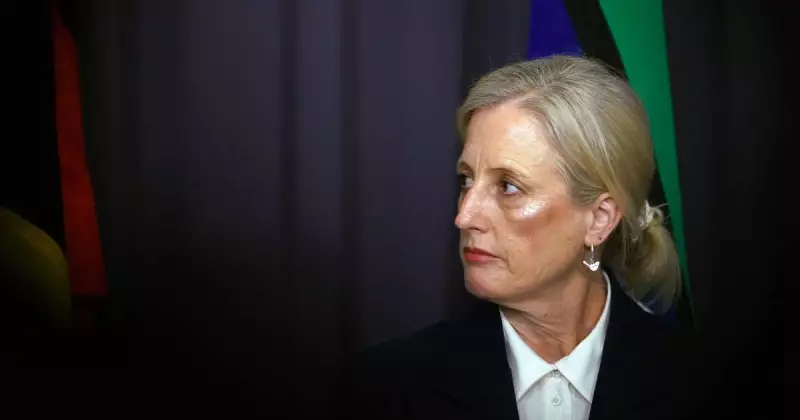
Finance and Public Service Minister Katy Gallagher confirmed she has been scrutinising the figures and will continue her investigation ahead of next year's budget. Senator Gallagher identified a specific category of claim as the primary culprit.
"This is another one of those programs where you see it start to increase faster than you'd like," Senator Gallagher stated. "We need to go back and have a look at what's happening and look at how we moderate some of that, including what's happening to staff to see these claims increase."
She explicitly linked the cost blowout to a rise in claims for "psychological disease", a Comcare classification distinct from injury claims. Under the scheme, a disease claim refers to an ailment significantly contributed to by the person's employment.
"So we need to do more work on this," the Minister added.
Broader Employee Costs Also Revised Upwards
The MYEFO document also contained revised estimates for other major employee expenses, indicating broader cost pressures within the public service:
- Wages and Salaries: Expected to cost $31.1 billion this financial year, up from a $30.5 billion forecast in March.
- Superannuation: Costs are projected to reach $24.2 billion this year, also above earlier estimates.
When questioned on whether controlling compensation costs would necessitate a reduction in public service staffing levels, Senator Gallagher rejected the link. She emphasised that these costs were part of meeting core employee obligations and were not directly tied to average staffing level targets.
System Under Review: Complexity and Harm Cited
The cost pressure has been foreshadowed by Comcare itself. In its annual report, the agency noted that continued increases in psychological disease claim frequency, along with rising administration expenses, were pushing up the average premium rate paid by Commonwealth departments and agencies.
This financial blowout comes as the government considers a major overhaul of the system itself. In December, the Albanese government released a long-awaited review of the Safety Rehabilitation and Compensation Scheme Act, which underpins the Comcare scheme.
That review contained 141 recommendations and called for sweeping changes to a scheme that has been widely criticised for being overly complex and, ironically, psychologically harmful to the employees navigating it.
The government now faces the dual challenge of moderating a runaway budget expense while reforming a system that may be contributing to the very problem it is designed to address.