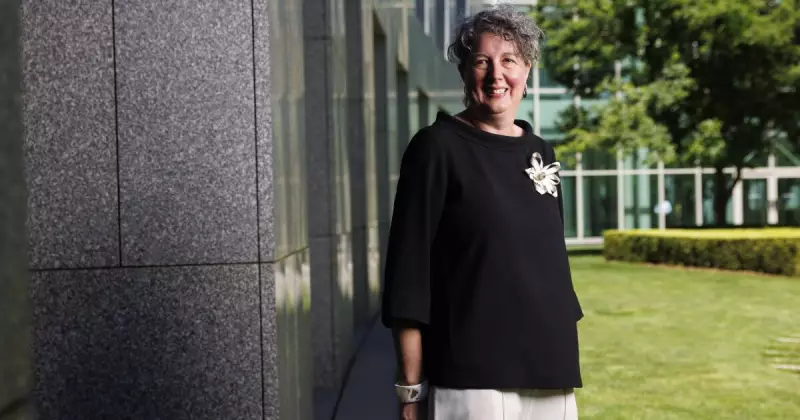
In an exclusive interview, the head of the scandal-plagued Department of Parliamentary Services (DPS) has vowed to steer the agency towards transparency and accountability, promising to learn from past failures.
A Troubled Department Faces Scrutiny
Nine months into her role as DPS Secretary, Jaala Hinchcliffe is confronting the department's deep-seated issues head-on. Appointed after her predecessor, Rob Stefanic, was sacked over a "loss of trust and confidence," Hinchcliffe inherited an agency notorious for secrecy and internal strife.
The department, which maintains the workings of Parliament House, has been rocked by multiple controversies. These include a $315,000 incentive-to-retire payment to former deputy secretary Cate Saunders, who had a relationship with Stefanic. An independent probe found "multiple procedural failures" in that payment.

Hinchcliffe's own tenure has been marred by controversy. She ordered a sweep of more than 100,000 emails and Teams chats to be handed to an external law firm—a firm that had been hacked by Russians. This move, part of her investigation into the Saunders payment, sparked a Senate estimates firestorm, especially after it was revealed the contractor handling the data lacked a security clearance.
Culture of Secrecy and Bullying Under the Microscope
Hinchcliffe is determined to change the department's insular culture. "I don't think there's any reason why we should seem secretive," she stated, committing to greater transparency. A significant step was re-joining the Australian Public Service employee census, which DPS had opted out of between 2020 and 2024.
The 2025 results paint a concerning picture. Only 68% of staff would recommend DPS as a workplace, which is 8% below the APS average. Alarmingly, 13% reported experiencing bullying or harassment in the past year, a 2% increase. Furthermore, 8% said they had observed conduct they considered corrupt—6% higher than the APS average.
"I continue to be concerned about our rates in terms of bullying and harassment," Hinchcliffe admitted. She emphasised improving trust in reporting processes so staff believe action will be taken.
Steering the Ship Through Stormy Waters
Facing criticism from the Coalition over the email sweep, accused of a "failure of leadership," Hinchcliffe remains resolute. Asked if she fears for her job, she responded, "I'm not concerned," insisting she plans to serve her full five-year term while being accountable for her decisions.
Her reform plan includes practical measures: mandating all-staff meetings, which had lapsed, and launching a "secretary's challenge" for branches to simplify complex processes. She defines integrity not as a fixed trait but as a skill to be practiced: "It's about doing the right thing—and if you make a mistake, you own up, and you fix it, and we move on."
While she cannot comment on the ongoing National Anti-Corruption Commission (NACC) raid on DPS offices in October 2024, her focus is firmly on the future. She praised the department's frontline staff—cleaners, security, tradespeople—highlighting their crucial, often unseen work in maintaining the heart of Australian democracy.
With an inquiry into the document handling due to report in March 2026, Hinchcliffe's pledge to overhaul DPS will be tested. Her mission, as she sees it, is to ensure the department silently and effectively supports democracy, free from the controversies that have long plagued it.